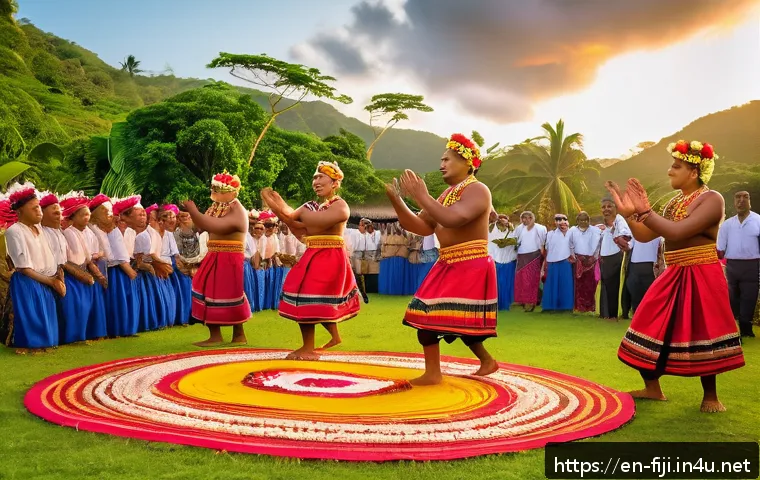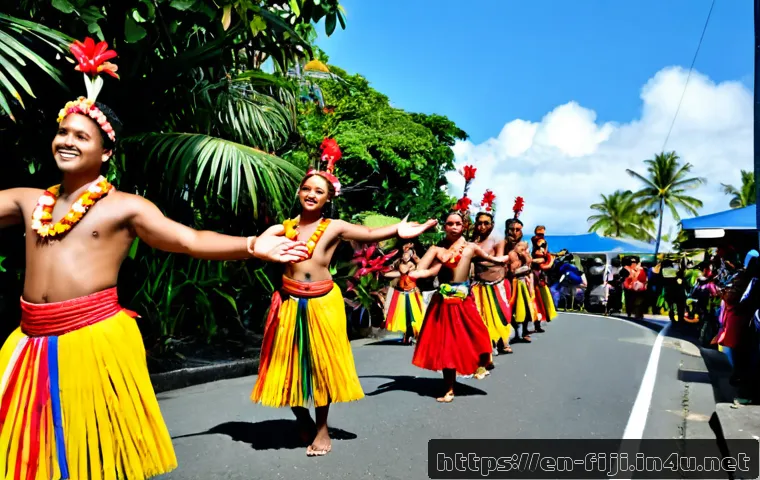
Fiji’s best-known events include Fiji Day celebrations, the Hibiscus Festival in Suva, the Bula Festival in Nadi, and Indo-Fijian religious celebrations.
Compare locations, timing, travel costs, and planning considerations before booking.
Fiji Day, the Hibiscus Festival in Suva, the Bula Festival in Nadi, and Diwali celebrations are the main Fiji events worth considering when planning a cultural trip.
For many first-time visitors, Nadi offers the easiest airport access, while Suva is better for a city-based festival atmosphere and Beqa Island suits travelers seeking a focused cultural experience.
The best choice depends on your arrival airport, available travel time, and interest in public celebrations or guided cultural activities. Festival periods can affect accommodation choices, airport transfers, and the availability of local experiences, so it is sensible to compare options before confirming flights or resorts.
Exact programs, entry rules, and dates can change each year. A flexible itinerary is often more useful than building an entire trip around an unconfirmed event schedule.
At a Glance
- Fiji Day is observed on October 10 and commemorates Fiji’s independence in 1970.
- Suva’s Hibiscus Festival is a major annual public festival, while the Bula Festival is closely associated with Nadi.
- Diwali and selected firewalking performances offer different cultural perspectives, but access and visitor rules should always be confirmed.
| Event or Experience | Base Location | Typical Timing | Visitor Experience | Travel and Booking Consideration |
|---|---|---|---|---|
| Fiji Day | Nationwide | October 10 | Public holiday celebrations | Confirm local programs and transport arrangements |
| Hibiscus Festival | Suva | Annual; exact dates vary | Large city festival and public atmosphere | Compare Suva hotels and local transport early |
| Bula Festival | Nadi | Annual; exact dates vary | Community-focused festival near a tourism gateway | Useful for travelers arriving through Nadi |
| Diwali Celebrations | Varies by community | Date varies | Lights, family gatherings, food, and public events | Respect religious settings and confirm public access |
| Firewalking Performances | Beqa Island or selected visitor settings | Varies | Cultural performance linked with Sawau traditions | May require an approved resort or tour operator |
Which Fiji Events Are Most Worth Planning a Trip Around?
Quick Answer: Leading Events for Culture, City Celebrations, and Religious Traditions
For a national occasion, Fiji Day is the clearest date to place on a calendar: it is observed on October 10. For a lively urban setting, the Hibiscus Festival in Suva is one of Fiji’s best-known annual public festivals. The Bula Festival in Nadi can be practical for travelers who want a community event without beginning their trip far from a major tourism gateway.
Diwali offers a different experience. Fiji includes both Indigenous iTaukei and Indo-Fijian communities, and public celebrations can reflect this cultural diversity. Visitors interested in religious traditions should approach Diwali with respect for its family and Hindu community significance rather than treating it only as entertainment.
A Fast Comparison of Suva, Nadi, Beqa Island, and Other Travel Bases
Suva works well if your priority is a capital-city festival atmosphere. Nadi is often the more convenient starting point for travelers using Fiji’s main international gateway and comparing airport transfers, resort stays, and local tours. Beqa Island is more relevant for travelers specifically interested in firewalking traditions associated with the Sawau people.
These bases are not interchangeable. A Nadi hotel may simplify arrival logistics, but it does not automatically make Suva events easy to attend. Likewise, a Beqa-focused cultural excursion needs separate planning for island access, accommodation, and the terms of the cultural performance.
Compare Fiji’s Major Festivals by Location, Timing, and Travel Value
Fiji Day: National Celebrations and Public Holiday Planning
Fiji Day is observed on October 10 and commemorates Fiji’s independence in 1970. It can be a meaningful time to be in the country if you want to see a nationally significant public occasion. However, the details that matter to a visitor—local events, parade routes, venues, and admission rules—can change from year to year.
Before booking, check whether your chosen island or city has a public program that fits your schedule. It is also wise to review hotel availability, airport transfer options, and domestic transport plans, particularly if you are combining a city stay with island hopping.
Hibiscus Festival in Suva: City Events, Performances, and Parade Atmosphere
The Hibiscus Festival is a major annual public festival associated with Suva, Fiji’s capital. It is a strong option for travelers who prefer a city base, public events, and an atmosphere that may include performances and parade activity.
Suva is the logical accommodation base for this festival, but do not assume that every activity is free, ticketed, or held in the same place each year. Compare central hotels with your likely venue area, then check transport time and pickup arrangements before reserving a guided city or cultural tour.
Bula Festival in Nadi: An Accessible Option Near the International Airport
The Bula Festival is a well-known community festival held in or associated with Nadi. For travelers arriving in Fiji and wanting to keep the first part of the trip simple, Nadi can be an appealing choice because it is a major tourism gateway on Viti Levu.
This convenience can make Nadi a sensible base for a shorter stay. You can compare accommodation near your arrival route, assess airport transfer services, and leave enough room in the itinerary for festival activities. Still, verify the current program before treating the event as the centerpiece of a tightly timed trip.
Diwali and Other Indo-Fijian Celebrations: What Respectful Visitors Should Expect
Diwali is widely celebrated by Fiji’s Hindu community and may include lights, family gatherings, food, and public events. It can give visitors a valuable view of Indo-Fijian cultural and religious life, but not every gathering is designed for independent tourists.
If you are welcomed into a celebration, follow the guidance of hosts and organizers. Dress appropriately for the setting, ask before taking photographs, and avoid assuming that a family or religious observance is open for casual viewing. Public event information should be confirmed through current official or local notices.
Costs, Booking Pressure, and Practical Travel Planning
When Flights, Resorts, and Local Transport May Be Busier
A major event can influence demand for flights, resorts, hotels, airport transfers, and inter-island transport. The level of pressure depends on the location, the final program, and the type of event. Rather than assuming a festival always means higher costs, compare available options for your exact dates before committing to a package or separate bookings.
If a public festival is important to you, consider arriving with time to spare. A delayed flight, a transfer change, or a revised program can have a bigger effect when your itinerary allows only one day for the event.
Comparing Independent Travel With Guided Cultural Tours
Independent travel may suit visitors attending a public event in Suva or Nadi, especially when accommodation and local transport are straightforward. A guided cultural tour can be more useful when an experience involves village-based customs, a performance setting, or island logistics.
Guided access is not a guarantee that every cultural activity is available. Ask what is included, whether entry is confirmed, how transfers work, and whether photography is permitted. For firewalking-related experiences, confirm whether the performance is available to independent visitors or only through an approved resort or tour operator.
Budget Items to Check in FJD Before Confirming an Itinerary
Use Fijian dollars (FJD) when reviewing the final breakdown for accommodation, transport, and tours. Check the listed hotel cost, airport or resort transfer terms, domestic flight or ferry details where relevant, cultural tour inclusions, and any stated admission arrangements.
Do not rely on an old festival listing for current prices or schedules. A clear written itinerary is especially helpful if you are comparing a resort package against separately booked hotels, transfers, and excursions.
Cultural Etiquette and Common Visitor Mistakes
Photography, Clothing, Invitations, and Religious Observances
The simplest rule is to ask before photographing people, ceremonies, homes, or religious activities. Choose clothing that suits the setting, listen to host instructions, and treat an invitation as a privilege rather than an entitlement. This matters particularly during Diwali gatherings and village-based cultural experiences.
Why Travelers Should Confirm Event Access Instead of Assuming Every Celebration Is Tourist-Oriented
A widely known celebration is not necessarily open in the same way every year. Some events may have changing venues, entry rules, or limited visitor access. Cultural performances may also be organized through selected resorts or operators rather than offered as walk-in activities.
Confirm the current schedule and access conditions before booking a non-refundable hotel night, island transfer, or tour package around a single event.
How to Avoid Overbooking a Schedule During Festival Days
Festival days can involve waiting, route changes, or programs that run differently from a standard sightseeing plan. Avoid placing a long inter-island transfer, a fixed tour, and a major public event into the same day. Keep one flexible period for transport, meals, and unexpected changes.
Choose an Event Based on Your Travel Style
Best Choices for First-Time Visitors and Short Stays
For a first visit or a short stay, Nadi and the Bula Festival may be the easiest match because Nadi is a major tourism gateway. This does not mean it is automatically the best cultural fit; it means the arrival and transfer side may be easier to organize.
Best Choices for Travelers Staying Near Nadi or Suva
Stay near Nadi if airport convenience is central to your plan and you want to explore a festival associated with that area. Choose Suva if the Hibiscus Festival and a capital-city public event environment are your main priorities. Compare hotel location with your expected event area rather than selecting a property only by resort features.
Best Choices for Culture-Focused and Island-Based Itineraries
Travelers with a strong interest in traditional cultural performance may consider a Beqa Island-focused plan. Firewalking traditions are associated with the Sawau people of Beqa Island, but visitor access must be checked carefully. Build the island stay around confirmed transport and an approved experience, not an assumed performance date.
Choosing the Right Fiji Event for Your Trip
Compare Cultural Depth, Convenience, Travel Time, and Accommodation Needs
Use these final checks before choosing an event:
- Date certainty: Is the current program officially confirmed?
- Location fit: Does the event match your arrival airport and travel base?
- Access: Is it public, ticketed, tour-based, or subject to organizer approval?
- Accommodation: Is your preferred hotel practical for the event location?
- Transport: Have you compared airport transfers, local travel, and inter-island connections?
- Respect: Are you prepared to follow photography, clothing, and host guidance?
A Final Booking Checklist for Hotels, Transfers, and Local Experiences
Compare hotels close to your chosen base, review airport transfer conditions, and check whether a cultural tour includes transport and confirmed access. For official schedules, venue details, and entry conditions, check the relevant event or operator page before booking.
Closing Thoughts
Fiji’s major events can add real cultural context to a beach or island itinerary. Fiji Day, the Hibiscus Festival, the Bula Festival, Diwali, and selected firewalking performances each offer a different reason to visit. The most useful plan is one that balances cultural interest with realistic transport, accommodation, and access arrangements. Keep your schedule flexible until dates and programs are confirmed.
Useful Things to Know
Fiji Day falls on October 10. The Hibiscus Festival is associated with Suva, while the Bula Festival is associated with Nadi. Diwali dates and local public programs may vary. Firewalking is linked with Sawau traditions on Beqa Island and may be presented only in selected visitor settings.
Important Notes
Festival dates, programs, venues, parade routes, ticket requirements, tour availability, hotel rates, domestic transport schedules, and FJD prices require current confirmation. This guide is intended for trip planning comparisons and should not be treated as a confirmed event calendar.
Frequently Asked Questions
Q1. What is the most famous festival in Fiji for international visitors?
A1. The Hibiscus Festival in Suva and the Bula Festival in Nadi are among Fiji’s best-known public festivals for travelers. Fiji Day is also important because it is a national observance on October 10. The best option depends on whether you prefer a capital-city event, airport convenience, or a national holiday atmosphere.
Q2. Is it more expensive to visit Fiji during major festivals?
A2. Costs can vary depending on event location, accommodation availability, flights, transfers, and tour demand. There is no single confirmed price pattern for every festival. Compare current hotel rates, transport options, and cultural tour inclusions in FJD before booking.
Q3. Can tourists attend Fiji Day, Diwali celebrations, or traditional firewalking events safely and respectfully?
A3. Visitors may be able to attend public Fiji Day or Diwali events, but access conditions vary. For religious celebrations, ask before taking photographs and follow host guidance. Firewalking-related experiences may be available through selected resorts or approved tour operators, so confirm access, safety instructions, and visitor rules in advance.