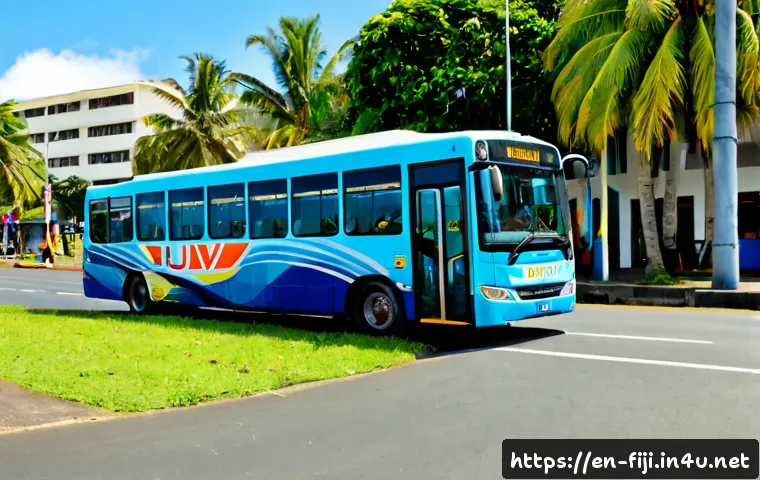
Fiji travel relies on buses, taxis, private transfers, rental cars, ferries, and domestic flights. Compare the best option for Viti Levu, airport arrivals, remote resorts, and island-hopping based on time, budget, luggage, and schedule flexibility.

The best transport choice in Fiji depends on where you are staying: buses suit low-cost travel on the main islands, while private transfers are often easier for airport arrivals and remote resorts.
For island-hopping, compare ferry or boat schedules with domestic flight options before locking in accommodation. Plan transport at the same time as your hotel or resort, not afterward, because some properties require a separate boat transfer or have limited access.
A rental car can add freedom on Viti Levu, but driving is on the left and road journeys may take longer than map distances suggest. Taxis work well for short, straightforward trips, while private airport transfers can reduce uncertainty with luggage, late arrivals, or family travel.
Use Fijian dollars (FJD) when comparing local fares, rentals, and transfer services. The cheapest-looking option is not always the simplest once luggage, waiting time, weather, and connection risk are included.
At a Glance
- Lowest-cost option: Public buses are generally the budget-friendly choice on the main islands, especially Viti Levu.
- Comfort-first option: A private airport transfer is often the simpler choice for late arrivals, heavy luggage, families, and remote resorts.
- Island-hopping option: Compare ferries, resort boats, and domestic flights based on weather exposure, schedule frequency, baggage rules, and connection time.
| Transport option | Estimated cost level | Booking lead time | Travel-time reliability | Best for |
|---|---|---|---|---|
| Public bus | Low | Usually low | Moderate | Budget travel on major islands |
| Taxi | Moderate | Low to moderate | Moderate | Short trips around Nadi, Suva, or Lautoka |
| Private transfer | Moderate to high | Recommended in advance | High when confirmed | Airport arrivals, resort access, groups, luggage |
| Rental car | Moderate to high | Recommended in advance | High for route control | Flexible Viti Levu itineraries |
| Ferry or resort boat | Varies | Often essential | Weather and timetable dependent | Selected islands and resort connections |
| Domestic flight | Moderate to high | Recommended in advance | Schedule dependent | Distant destinations and limited-time stays |
The Quick Answer: Which Transport Option Works Best in Fiji?
Choose buses for affordable travel on the main islands, taxis or private transfers for convenient point-to-point trips, and rental cars when you want to set your own pace on Viti Levu. For outer islands, transport is usually part of the accommodation decision because ferry, boat, and flight options can be limited.
Best Choice for Budget Travel, Airport Arrivals, Self-Drive Trips, and Island Hopping
Budget-minded visitors can use public buses where routes are available, particularly on Viti Levu. Travelers landing after a long flight, arriving late, or carrying several bags may find a pre-arranged airport transfer more practical than searching for transport on arrival. A rental car suits travelers who want to combine beaches, towns, and inland stops without depending on fixed schedules. For island-hopping, start with the resort’s access instructions and then compare ferry, boat transfer, and domestic flight timing.
Why Transport Should Be Planned Alongside Accommodation, Not After It
A resort may be near the sea without being easy to reach independently. Some stays may involve a separate boat connection, while others may have pickup arrangements that need to be reserved. Do not assume that every island has frequent public ferries, ride-hailing coverage, or walkable access from a pier. Before paying for accommodation, confirm the arrival point, final transfer method, luggage policy, and last available connection.
Compare Fiji’s Main Ways to Travel
Public Buses for Low-Cost Travel on Main Islands
Public buses are widely used on Fiji’s main islands and are generally the most budget-oriented way to travel. They can be a sensible fit for travelers with light luggage, flexible plans, and accommodation near a useful route. They are less ideal when you have a tight airport connection, a remote resort, or several bags to manage.
Allow extra time. Road conditions, village speed limits, weather, and stops can all make journeys longer than they appear on a map. Check the route and timing locally rather than building a day around an assumed frequent service.
Taxis and Private Transfers for Convenience and Luggage
Taxis are common in major visitor areas including Nadi, Suva, and Lautoka. They can be useful for direct trips, restaurant visits, or journeys that are awkward by bus. However, fare practices and meter use can vary, so confirm how the fare will be handled before leaving.
Private airport transfers are worth considering when certainty matters. They are often preferred for late-night arrivals, families, travelers with bulky luggage, and guests heading to accommodation far from the airport. A confirmed pickup point can remove the uncertainty of finding transport after landing. When comparing options, look beyond the headline price and ask whether the quote covers waiting time, luggage, additional stops, and the full route to the resort.
Rental Cars for Flexible Viti Levu Itineraries
A rental car can be a strong choice for a Viti Levu road trip, especially if you plan to visit more than one area. It gives you control over beach stops, meal breaks, and sightseeing without relying on bus schedules or repeated taxi trips. It may be less useful if you are staying at one self-contained resort for most of the trip.
Fiji drives on the left side of the road. Build in extra time, drive conservatively, and do not assume distances translate into quick journeys. Before booking a car rental, review the rental company’s current requirements for licence documents, deposits, fuel arrangements, insurance excess, vehicle condition, and cancellation terms.
Ferries, Resort Boats, and Domestic Flights for Island Connections
Ferries and boat transfers connect selected islands, but they may be weather-dependent and may not operate every day. A resort boat transfer may be the only practical final leg for some stays. This makes timing important: missing one connection can affect the entire arrival plan.
Domestic flights can reduce travel time between major islands and more distant destinations. They can be attractive for short stays or when a long sea transfer would use too much of the trip. Still, check baggage rules, flight schedules, and transfer time at both ends before booking. A flight that looks fast on paper may still require ground or boat transport before reaching your room.
Cost, Time, and Convenience: What Is Worth Paying For?
When a Private Transfer Can Offer Better Value Than Separate Taxi Trips
A private transfer is not automatically the lowest-cost option, but it can be better value when it replaces multiple steps. This is especially true for a group, a family, travelers with child equipment or sports gear, or anyone arriving when public transport choices are limited. One confirmed vehicle may be simpler than coordinating separate taxi trips and waiting with luggage.
Compare the full journey, not just one fare. Consider the airport pickup, any resort access charge, the number of passengers, the amount of luggage, and whether a delay could cause a missed boat. For a remote property, a transfer arranged through the accommodation may also make pickup instructions clearer.
Rental-Car Costs Beyond the Daily Rate: Fuel, Deposits, Insurance, and Parking
The advertised daily rate is only one part of a rental-car comparison. Check the expected fuel policy, deposit, insurance excess, optional protection, parking situation, and cancellation terms. If your itinerary includes only airport-to-resort travel and a few local rides, the extra responsibilities of a car may not match the benefit.
On the other hand, a car may make sense when you want several independent day trips on Viti Levu. Compare it with the likely cost and time of arranging taxis or private drivers for each outing. Review rental insurance carefully, and make sure you understand what is included before collecting the vehicle.
Flight Versus Ferry: How to Compare Time Saved, Baggage, and Weather Exposure
Compare a domestic flight and ferry as complete door-to-door journeys. Include travel to the terminal, check-in time, baggage restrictions, arrival transfer, and the final trip to the accommodation. Ferries and boats may offer a direct connection for a particular island, but weather and limited schedules can affect plans.
A domestic flight may be the more efficient option for distant destinations or short holidays, while a ferry can suit travelers whose schedule is flexible and whose resort connection aligns with the route. Keep a sensible buffer before international departures, important events, or onward inter-island connections.
Booking and Using Transport Without Common Travel Mistakes
Confirming Pickup Points, Resort Access, and Luggage Allowances

Always confirm the precise pickup point. “Airport transfer” can mean different meeting locations, and “island transfer” may still require you to reach a marina or ferry terminal. Ask whether the final boat transfer is included with the stay or charged separately.
For flights, ferries, and small boat transfers, check current luggage conditions before packing. Large suitcases, dive gear, strollers, or other bulky items may affect which transport option is most comfortable. Keep booking confirmations and accommodation contact details accessible when traveling.
Planning for Weather, Limited Schedules, and Connection Buffers
Weather can affect sea transfers, and ferry services may not run daily. Do not schedule a tight same-day chain of airport arrival, ferry departure, and resort check-in without checking current operating details. Build flexibility into the itinerary, particularly when traveling to outer islands.
Travel insurance selection can also matter when your itinerary depends on weather-sensitive transport or multiple pre-booked connections. Read the policy wording for cancellations, delays, missed connections, and transport disruption rather than assuming every situation is covered.
Driving Safely on the Left and Allowing Realistic Road Travel Time
If you rent a car, take time to adjust to left-side driving before heading onto unfamiliar roads. Avoid treating the route as a timed race. Road conditions, weather, village speed limits, and normal stops can extend travel time.
Use realistic departure times and avoid planning a long drive immediately before a flight or ferry. Your car rental booking should also be checked for current rules on driver documentation, insurance, and any location-specific collection conditions.
Transport Tips by Travel Style and Destination
First-Time Visitors Arriving Through Nadi
Nadi is a common starting point for visitors, and your first decision is usually how to reach the hotel, resort, or marina. A taxi may suit a simple nearby journey, while a private airport transfer can be easier if your property is remote, your arrival is late, or your group has substantial luggage. Confirm whether the accommodation provides a pickup or requires a separate booking.
Families, Groups, and Travelers With Bulky Luggage
For families and groups, convenience can outweigh the lowest fare. A single pre-arranged transfer may be easier than coordinating several vehicles, especially after a flight. Check vehicle capacity rather than assuming all luggage will fit, and ask about child seats or other specific needs directly with the provider.
Budget Travelers Using Buses and Shared Services
Public buses can help keep local transport costs down on the main islands. Choose accommodation with practical access to your planned routes, travel with manageable luggage, and keep your schedule flexible. For early departures, late arrivals, or isolated properties, a bus-only plan may not be realistic.
Visitors Heading to Outer Islands or Remote Resorts
For outer islands, start with the final transfer rather than the first one. Find out whether you need a ferry, a resort boat, or a domestic flight, then work backward to choose your flight arrival time and overnight plans if necessary. Remote access can be part of the experience, but it needs advance coordination.
Selection Criteria and Comparison Summary
Choose your Fiji transport plan by checking these points before you book:
- Location: Is your stay on Viti Levu, another major island, or an outer island requiring a boat or flight?
- Arrival timing: Will you land late or need to meet a limited ferry or resort boat schedule?
- Luggage: Can a bus, taxi, small aircraft, or boat comfortably handle what you are bringing?
- Trip style: Do you need freedom for a self-drive itinerary, or only a reliable arrival and departure transfer?
- Total cost: Compare fuel, deposits, insurance excess, airport pickup, boat transfers, and cancellation conditions—not only the first quoted price.
- Flexibility: Can your itinerary absorb weather delays or reduced transport availability?
Compare transfer inclusions before booking your resort, and check rental insurance and ferry timing together if your itinerary combines driving with island connections. Current terms, schedules, and pickup details should be verified on the relevant provider or accommodation page before payment.
Final Thoughts
Fiji transport is easiest when it matches the shape of your trip. Buses can work well for low-cost travel on the main islands, while taxis, private transfers, and rental cars offer more direct control. For island stays, ferry, boat, and domestic flight timing should be confirmed before you commit to a tight itinerary. A little planning around arrival time, luggage, and resort access can prevent the most common transport surprises.
Useful Things to Know
Currency: Local transport fares, rentals, and many transfers are priced in Fijian dollars (FJD).
Driving: Traffic drives on the left side of the road.
Road travel: Map distance can underestimate journey time due to conditions, weather, village speed limits, and stops.
Island access: Not every island has daily ferry access or a simple walkable route from the arrival point to the resort.
Important Notes
Exact taxi fares, bus fares, fuel prices, rental-car rates, ferry timetables, and domestic flight schedules can change and should be checked for your travel dates. Hotel and resort transfer inclusions also vary by property. Weather disruptions, road closures, baggage limits, driver-document requirements, and availability need confirmation directly with the transport provider, rental company, airline, ferry operator, or accommodation.
Frequently Asked Questions
Q1. What is the cheapest way to get around Fiji?
A1. Public buses are generally the most budget-oriented option on Fiji’s main islands, particularly Viti Levu. They are best for travelers with flexible schedules and light luggage. For remote resorts or outer islands, buses may not cover the final part of the journey.
Q2. Is it better to rent a car or book private transfers in Fiji?
A2. A rental car is usually more useful for a flexible Viti Levu itinerary with several stops. Private transfers can be the simpler choice for airport arrivals, short stays, families, heavy luggage, late arrivals, or remote accommodation. Compare the full cost, including fuel, deposits, insurance, and transfer inclusions.
Q3. Are taxis and buses safe for tourists in Fiji?
A3. Taxis and public buses are commonly used by visitors and locals, especially around main visitor areas and on major islands. Use normal travel awareness, confirm taxi fare arrangements before departure, keep valuables secure, and allow extra time for road travel. For late arrivals or remote locations, a confirmed private transfer can provide a clearer pickup plan.