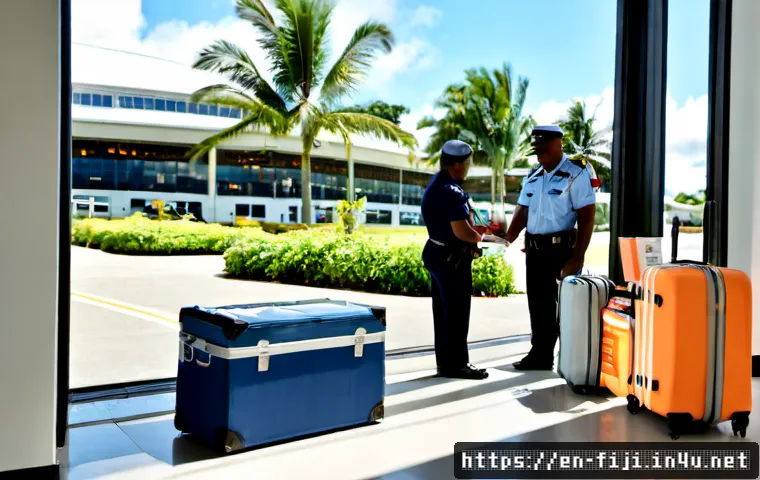
Fiji controls certain narcotic, psychotropic, and other restricted substances, so travellers should not assume that a medicine permitted at home can be brought in without question.

Prescription medicines may be carried for personal use, but original labelled packaging and supporting medical documents can be important. The treatment, quantity, formulation, and reason for importation can all affect how a medicine is handled at the border.
This is especially relevant for strong pain relief, psychiatric medicines, and products containing cannabis-derived ingredients. Because official requirements can change and may vary by product, checking current Fiji border and health guidance before departure is the safest approach.
Understanding Fiji’s Drug-Control Framework
Fiji applies controls to certain narcotic, psychotropic, and other restricted substances. In practical terms, some products may be prohibited, while others may be allowed only under conditions that depend on the medicine and the purpose of importation. A medicine that is routinely prescribed in another country is not automatically exempt from Fiji’s controls.
Border authorities may inspect medicines along with other goods on arrival. If an item cannot be readily identified, or if its purpose is unclear, the traveller may need to explain why it is being carried. Planning ahead makes that conversation much easier.
Prohibited substances versus regulated medicines
A prohibited substance and a regulated medicine are not necessarily treated the same way. A prohibited item may not be permitted for importation, while a regulated medicine may require evidence of a genuine personal medical need or may be subject to additional conditions. The current official list of prohibited and controlled substances should be confirmed directly with the relevant Fiji authorities before travel.
Why travellers should verify rules before departure
Rules can differ according to the medicine’s active ingredients, dosage form, quantity, and intended use. Requirements for permits, declarations, or allowable quantities are product-specific and need to be checked in advance. Do not rely solely on a product being sold over the counter, prescribed by a doctor, or marketed as a supplement in your home country.
Bringing Prescription Medicine into Fiji
When travelling with prescription medicine, keep it in its original labelled container. The label should help identify the medicine and show that it was supplied for the traveller. Loose tablets, unlabelled bottles, or medicines transferred into another container can make inspection more difficult.
Packaging, labels, prescriptions, and medical letters
Carry a copy of the prescription where possible. A medical letter may also help explain the condition being treated, the name of the medicine, and why it is needed during the trip. This can be particularly useful where the medicine is controlled or where its name may be unfamiliar to border staff. Supporting documents do not guarantee entry, but they provide a clearer explanation of personal medical use.
Carrying only an appropriate personal supply
Bring only an amount that is appropriate for personal use during the trip. The quantity that may be accepted can depend on the product and Fiji’s current requirements, so a specific limit should be confirmed before departure. Avoid carrying medicine for another person, even if it is also prescribed, unless official guidance clearly permits it.
Medicines That May Need Extra Checks
Some categories deserve closer attention because they may fall within narcotic, psychotropic, or other restricted controls. The correct approach is to identify the exact product and active ingredients, then ask official authorities about that medicine rather than relying on a general category alone.
Narcotic pain medicines and psychotropic treatments
Strong pain medicines and treatments used for mental health or sleep may require extra verification because they can contain controlled ingredients. If you use one of these medicines, travel with clear documentation and confirm whether any permit, declaration, or other step is required. Requirements may differ by formulation and quantity, even where the medicine has been prescribed for legitimate treatment.
Cannabis-based, herbal, and over-the-counter products
Cannabis-derived products should be checked carefully before travel, including products presented as medical, wellness, or supplement items. Herbal and over-the-counter products also should not be assumed to be unrestricted, particularly if ingredients are unclear or if the product makes claims connected with pain, sleep, or mood. Whether a particular product is allowed in Fiji requires current official confirmation.
| What you are carrying | Practical preparation |
|---|---|
| Prescription medicine | Keep it in original labelled packaging and carry prescription evidence. |
| Potentially controlled treatment | Obtain a medical letter and confirm current entry requirements. |
| Cannabis-based, herbal, or OTC product | Check the exact product and ingredients with official authorities before packing. |
Customs, Declarations, and Travel Preparation
Prepare your medicines before leaving home, not while travelling. Keep them accessible for inspection, together with prescriptions and medical letters. If you are unsure whether an item must be declared, ask Fiji’s relevant border or health authority before departure and follow the current instructions provided.
Questions to confirm with official authorities
Ask whether your exact medicine is permitted, whether it is treated as controlled, and whether a permit or declaration is needed. Also confirm any quantity conditions and whether the original packaging and a prescription are sufficient. Provide the medicine’s name, active ingredients, formulation, and the amount you plan to carry so the guidance can be as specific as possible.
What to Do if Your Medicine Is Restricted
If official guidance indicates that your medicine is restricted, do not assume your usual prescription alone resolves the issue. Ask what documentation or approval may be required, and whether there is an alternative way to manage treatment during travel. If the requirements cannot be met before departure, speak with your prescribing clinician about suitable options. Do not conceal a medicine or remove identifying packaging in an attempt to avoid questions at the border.
Closing Thoughts
Travelling with medicine to Fiji is often easier when the product is clearly identified and supported by medical documentation. The main uncertainty is whether a particular item is prohibited, controlled, or subject to a declaration or permit requirement. Check the current rules for the exact product before you pack. A little preparation can prevent avoidable delays or confusion on arrival.
Useful Information to Remember
1. Use original labelled containers. 2. Carry a prescription or medical letter where relevant. 3. Take only an appropriate personal supply. 4. Check controlled, cannabis-based, herbal, and unfamiliar products individually. 5. Follow current guidance from Fiji’s official border and health authorities.
Key Points
Fiji regulates certain drugs and medicines, and entry conditions can vary by substance, quantity, formulation, and purpose. Documentation may help demonstrate personal medical need, but product-specific rules must be confirmed before travel.
Frequently Asked Questions
Q1. Can I bring prescription medication into Fiji?
A1. Prescription medication may be carried for personal use, but it should be kept in its original labelled container. Carrying a prescription or medical letter can help explain why the medicine is needed. Whether a specific medicine is allowed, and whether further steps apply, should be confirmed before travel.
Q2. Are cannabis-derived medicines allowed in Fiji?
A2. This needs to be checked with current official Fiji authorities for the exact product. Cannabis-derived medicines may be subject to restrictions, and the fact that a product is medical or prescribed elsewhere does not confirm that it may be imported.
Q3. Do I need to declare controlled medicine at Fiji customs?
A3. Declaration requirements can depend on the medicine and current rules. Confirm whether your specific product must be declared before departure, and keep all supporting documents available for border inspection.