As the world gradually reopens and travel picks up pace, Fiji’s lively festivals and public holidays are drawing more attention than ever. These vibrant celebrations offer a unique window into the rich culture, traditions, and joyful spirit of the islands.
Whether you’re planning your next getaway or simply curious about Fiji’s cultural calendar, understanding these events can transform your experience from ordinary to unforgettable.
From colorful parades to heartfelt ceremonies, each festival tells a story worth exploring. Let’s dive into the must-see festivities that will make your visit to Fiji truly special.
Experience the Rhythm and Color of Island Life
Traditional Dance and Music Performances
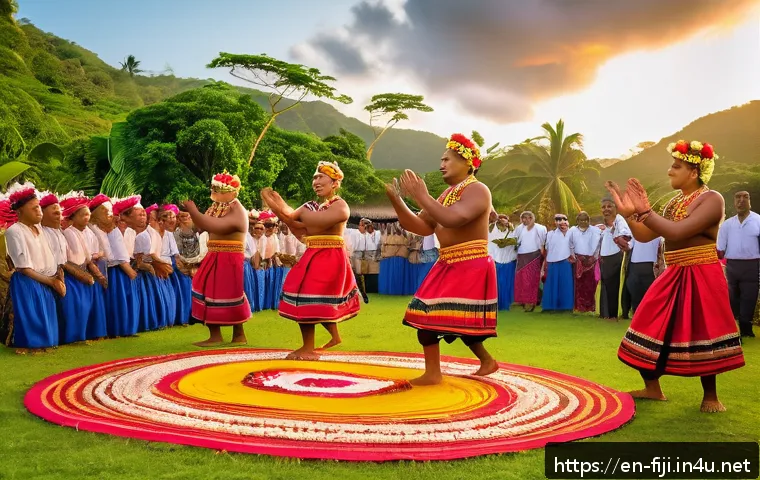
Fiji’s festivals are renowned for their pulsating beats and graceful movements that vividly narrate the islands’ history and legends. Traditional dances like the meke combine storytelling with intricate choreography, often accompanied by chanting and rhythmic drumming.
Attending these performances feels like stepping into a living museum where every gesture and sound resonates with ancestral pride and communal harmony.
When I witnessed a village meke, the energy was infectious, and it truly brought me closer to understanding the Fijian spirit beyond words. These vibrant shows usually take place outdoors in communal spaces, inviting visitors to join in or simply soak up the joyful atmosphere.
Colorful Parades and Cultural Showcases
One of the most visually stunning aspects of Fiji’s celebrations is the parades featuring traditional costumes, elaborate headdresses, and bright floral garlands.
These processions are more than just eye candy—they serve as a platform for different communities and islands to express their unique identities and shared heritage.
Watching locals proudly display their crafts and dances in the streets is a heartwarming reminder of how culture unites diverse groups. I remember feeling mesmerized by the explosion of colors and the genuine smiles of participants, which made the experience unforgettable.
These parades often coincide with public holidays and are great opportunities for photographers and culture enthusiasts alike.
Local Cuisine and Market Festivities
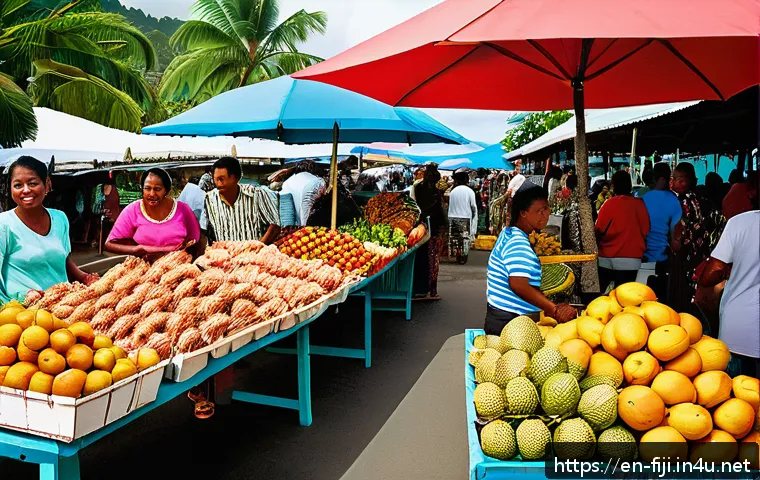
No festival experience in Fiji is complete without indulging in the local food scene. Markets burst into life during festival days, with stalls offering freshly caught seafood, tropical fruits, and traditional dishes like kokoda (marinated raw fish in coconut milk).
Sampling these flavors in a lively, communal setting adds a delicious layer to the celebration. I found that sharing food with locals during these events not only satisfied my taste buds but also sparked friendly conversations that enriched my visit.
The aroma of grilled meats mingling with ocean breezes creates an irresistible invitation to join in the feast, making every bite a celebration of island bounty.
Moments of Reflection and Spiritual Connection
Ceremonial Blessings and Offerings
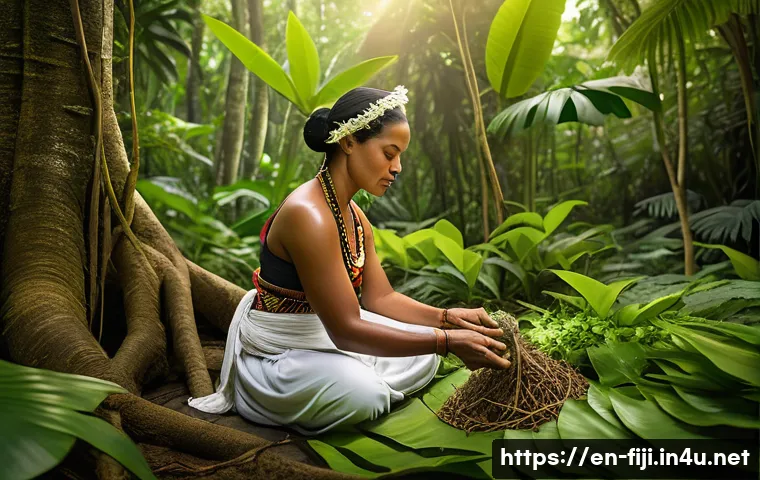
Fiji’s public holidays often include spiritual ceremonies that honor ancestors and the land. These moments are deeply moving, marked by solemn rituals involving the pouring of kava, a traditional drink made from the yaqona root.
Participating or simply observing these rituals provides insight into the profound respect Fijians have for their heritage and environment. I recall attending a village ceremony where the community gathered to seek blessings for a bountiful harvest—there was a palpable sense of unity and reverence that left a lasting impression.
Such ceremonies are an essential part of understanding the cultural heartbeat of Fiji beyond the festive exuberance.
Community Gatherings and Shared Traditions
Public holidays in Fiji often revolve around collective gatherings where families and friends come together to celebrate shared values and history. These occasions feature communal meals, storytelling, and sometimes religious services that highlight the islands’ diverse cultural tapestry.
Being part of these gatherings felt like being welcomed into an extended family, where hospitality is genuine and warmth abundant. I noticed that these events emphasize respect for elders and the passing down of traditions, creating a bridge between generations.
The sense of belonging and continuity here is something that travelers seldom forget.
The Role of Faith and Multicultural Harmony
Fiji’s cultural calendar is enriched by the coexistence of different faiths and ethnicities, which is reflected in its public holidays. Events such as Diwali and Christmas are celebrated with equal enthusiasm, showcasing the country’s spirit of inclusiveness.
Experiencing these festivals side by side reveals a society that cherishes diversity and mutual respect. I was fortunate to join a Diwali celebration where the streets glowed with lamps and laughter, contrasting beautifully with the solemn yet joyful Christmas carols I heard later in the week.
This harmony adds a unique dimension to Fiji’s cultural landscape, making every festival an opportunity for cross-cultural learning.
Seasonal Highlights and Unique Annual Events
Harvest Festivals and Agricultural Fairs
The agricultural calendar plays a crucial role in shaping Fiji’s festival scene. Harvest time is celebrated with fairs that feature competitions, exhibitions, and tastings of locally grown produce.
These events are not only fun but also educational, showcasing traditional farming methods alongside modern techniques. Visiting a harvest festival gave me a newfound appreciation for the hard work behind the island’s food supply and the community’s deep connection to the land.
The lively atmosphere, combined with the chance to try rare tropical fruits, made it a highlight of my trip.
Sporting Events and Cultural Competitions
Sports are a big part of Fiji’s identity, and several festivals incorporate rugby matches, canoe races, and traditional wrestling contests. These competitions draw large crowds and foster a spirited sense of camaraderie and healthy rivalry.
I found the energy at these events contagious, especially when local teams competed with fierce passion and friendly banter. Cultural competitions such as best costume or dance also add an exciting dimension, allowing communities to showcase creativity and pride.
Attending these events offered me a dynamic blend of athleticism and artistry that felt uniquely Fijian.
Music and Arts Festivals
Fiji’s music and arts scene bursts into full bloom during annual festivals dedicated to celebrating local talent. From reggae and traditional island music to contemporary genres, the stages come alive with performances that captivate audiences of all ages.
Art exhibitions, craft markets, and workshops often accompany these events, providing a hands-on experience for visitors. I personally enjoyed discovering emerging artists and artisans, whose work reflects the vibrant culture and natural beauty of the islands.
These festivals create a lively cultural exchange and are perfect for those looking to dive deeper into Fiji’s creative pulse.
| Festival Type | Key Features | Typical Timing | Visitor Tips |
|---|---|---|---|
| Traditional Dance & Music | Meke performances, drumming, storytelling | Year-round, especially during major holidays | Arrive early to get a good spot and interact respectfully |
| Parades & Cultural Showcases | Colorful costumes, floats, community participation | Public holidays and cultural anniversaries | Bring a camera and wear comfortable shoes |
| Spiritual Ceremonies | Kava rituals, blessings, ancestral honors | Specific public holidays and village events | Observe quietly, follow local customs |
| Harvest & Agricultural Festivals | Food tastings, farming exhibitions, contests | Seasonal, often after crop harvests | Try local produce and ask about farming practices |
| Sports & Cultural Competitions | Rugby, canoe racing, traditional wrestling, costume contests | Scheduled around major festivals | Join the cheers and learn basic rules beforehand |
| Music & Arts Festivals | Live performances, art markets, workshops | Annual events with fixed dates | Check schedules and plan for multiple days |
Family-Friendly Festivities and Kid-Centered Activities
Interactive Workshops and Craft Sessions
Many festivals in Fiji offer hands-on experiences tailored for families, such as traditional craft-making workshops where kids can learn to weave mats or create shell jewelry.
These sessions are fantastic for engaging younger visitors in a fun, educational way while preserving cultural skills. I found that children were not only entertained but also proud to take home something they made themselves, which deepened their connection to the culture.
These workshops are often led by local artisans who patiently share stories and techniques, creating memorable moments for the whole family.
Parade Participation and Costume Dress-Up
For families visiting during major celebrations, there are usually opportunities for children to join in parades or dress up in traditional attire. This immersive experience helps kids feel like part of the community and sparks curiosity about different customs.
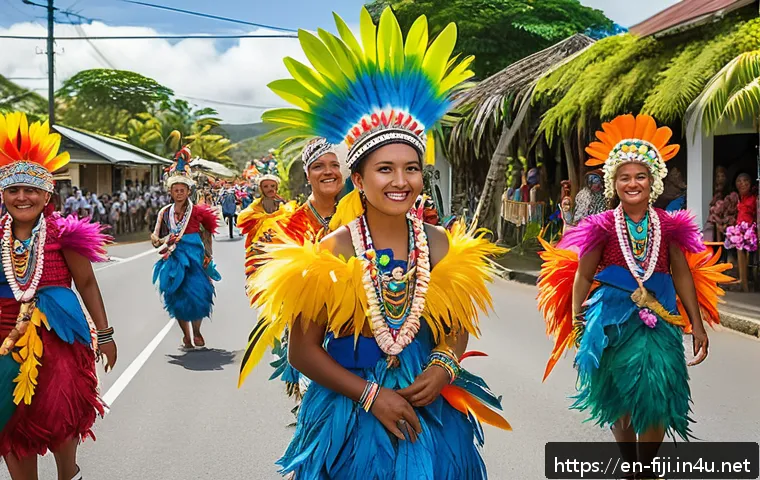
Watching my niece don a colorful Fijian costume and dance alongside locals was heartwarming—it made the festival feel inclusive and joyful beyond words.
Such activities encourage cultural appreciation from a young age and offer parents a chance to bond with their children in a meaningful way.
Outdoor Games and Festival Play Areas
Many festivals set up designated play zones with traditional games like tug-of-war, coconut husking contests, or sack races. These areas provide a safe space for children to expend energy while experiencing the festival vibe firsthand.
I noticed that these games often draw a crowd of enthusiastic parents and elders, creating a lively atmosphere of shared fun. Participating in these activities gave me a glimpse of how Fijians blend entertainment with tradition, making festivals a genuinely multi-generational affair.
Seasonal Weather and Its Impact on Festivities
Planning Around Rainy and Dry Seasons
Fiji’s tropical climate means that festival experiences can vary significantly depending on the time of year. The dry season, typically from May to October, is ideal for outdoor parades and beach celebrations, offering sunny skies and pleasant temperatures.
Conversely, the wet season from November to April may bring sudden showers, which sometimes lead to rescheduling or shifting events indoors. From my own visits, I learned that checking the weather forecast and having flexible plans can make a huge difference.
Embracing the occasional rain often adds to the adventure and authenticity of the experience.
How Weather Shapes Festival Activities
Certain traditional ceremonies and agricultural festivals are timed to align with seasonal changes, reflecting the deep connection between nature and culture in Fiji.
For example, planting and harvesting celebrations coincide with the cycles of the land, while water-based sports festivals thrive during the calm, dry months.
I was fascinated to see how the community’s calendar is so intertwined with the environment, reinforcing respect for natural rhythms. This seasonal awareness enriches the meaning behind many festivals, making them more than just entertainment but vital cultural expressions.
Adapting to Climate for a Comfortable Visit
To fully enjoy Fiji’s festivals, it’s wise to prepare for varying weather conditions—light clothing and sun protection for dry season events, and waterproof gear during wetter months.
I found that carrying a compact umbrella and quick-dry clothes made a big difference in staying comfortable. Festival venues often provide shaded areas or indoor spaces for shelter, but being proactive about weather can help you stay engaged and energized.
This simple preparation allows visitors to focus on the magic of the celebrations without distraction.
Local Insights for Navigating Festival Crowds and Transportation
Getting Around During Peak Festival Times
Fiji’s public holidays and festivals attract both locals and tourists, which can lead to crowded roads and busy public transport. Planning your travel routes ahead of time is crucial to avoid stress and missed events.
I experienced firsthand that renting a car or using local shuttle services gave me flexibility, especially for reaching remote village festivals. Public buses are an option but may be less reliable during peak times.
Arriving early and allowing extra time for travel can transform your day from chaotic to smooth.
Best Accommodation Choices Near Festival Sites
Choosing where to stay can significantly impact your festival experience. Accommodations close to festival venues, whether resorts, guesthouses, or homestays, offer the convenience of walking to events and soaking in the atmosphere after hours.
I once stayed in a small beachfront village during a festival and woke up to the sounds of drumming and laughter, which made the experience immersive and unforgettable.
Booking early is essential, as rooms fill quickly around major holidays.
Engaging with Locals for Insider Tips
One of the joys of attending Fiji’s festivals is the chance to connect with locals who are often eager to share their knowledge and recommendations. Asking around for the best viewing spots, food stalls, or lesser-known events can lead to unique discoveries.
I found that striking up casual conversations opened doors to invitations and behind-the-scenes glimpses that tourists usually miss. This personal touch adds depth to your visit and highlights the warmth that Fijian hospitality is famous for.
In Conclusion
Fiji’s vibrant festivals offer a rich tapestry of culture, tradition, and community spirit that invites every visitor to experience island life in a deeply meaningful way. From energetic dances to heartfelt ceremonies, each event reveals the warmth and pride of the Fijian people. Embracing these celebrations not only enriches your travel experience but also fosters a genuine connection to the islands’ heritage. Whether you’re drawn by music, food, or spiritual moments, Fiji’s festivals leave lasting memories that resonate long after the festivities end.
Helpful Information to Know
1. Arrive early to popular festival events to secure good viewing spots and fully immerse yourself in the atmosphere.
2. Dress comfortably and be prepared for changing weather conditions, especially during the wet season.
3. Engage respectfully with local customs, especially during spiritual ceremonies, to show appreciation and gain deeper insight.
4. Plan your transportation in advance, as public holidays can cause heavy traffic and crowded public transit.
5. Don’t hesitate to connect with locals—they often offer invaluable tips and invite you to unique experiences off the beaten path.
Key Takeaways
Fiji’s festivals are a living expression of its people’s identity, blending tradition with celebration in ways that welcome visitors as part of the community. Understanding the seasonal rhythms and cultural significance behind each event enriches your experience and shows respect for local values. Preparing for weather and crowd dynamics ensures a smooth visit, while active participation—whether through workshops, parades, or conversations—creates meaningful memories. Ultimately, these celebrations highlight Fiji’s remarkable harmony of culture, faith, and natural beauty, making every festival a heartfelt journey worth exploring.
Frequently Asked Questions (FAQ) 📖
Q: uestions about Fiji’s Festivals and Public HolidaysQ1: When is the best time to experience Fiji’s major festivals?
A: The best time to experience Fiji’s vibrant festivals is generally between June and October. This period includes events like the Hibiscus Festival in August, which is a colorful celebration filled with music, dance, and food.
Additionally, the Diwali Festival, usually held in October or November, offers a spectacular cultural experience. Planning your trip during these months ensures you catch the liveliest celebrations and enjoy pleasant weather.
Q: Are Fiji’s public holidays and festivals family-friendly?
A: Absolutely! Fiji’s festivals and public holidays are very family-friendly, offering activities and events suitable for all ages. For example, the Hibiscus Festival features games, parades, and performances that kids love, while the traditional ceremonies during public holidays provide educational insights into Fijian culture.
Families can enjoy a warm, welcoming atmosphere where children can engage with local traditions in a safe environment.
Q: How can visitors participate respectfully in Fiji’s cultural events?
A: Visitors should approach Fiji’s festivals and public holidays with respect and openness. It’s important to dress modestly, especially when attending religious ceremonies or traditional gatherings.
Engaging politely with locals, asking permission before taking photos, and learning a few basic Fijian phrases can go a long way. Being mindful of customs, such as removing shoes when entering sacred spaces, shows appreciation and helps create a meaningful cultural exchange.