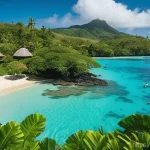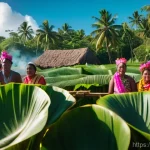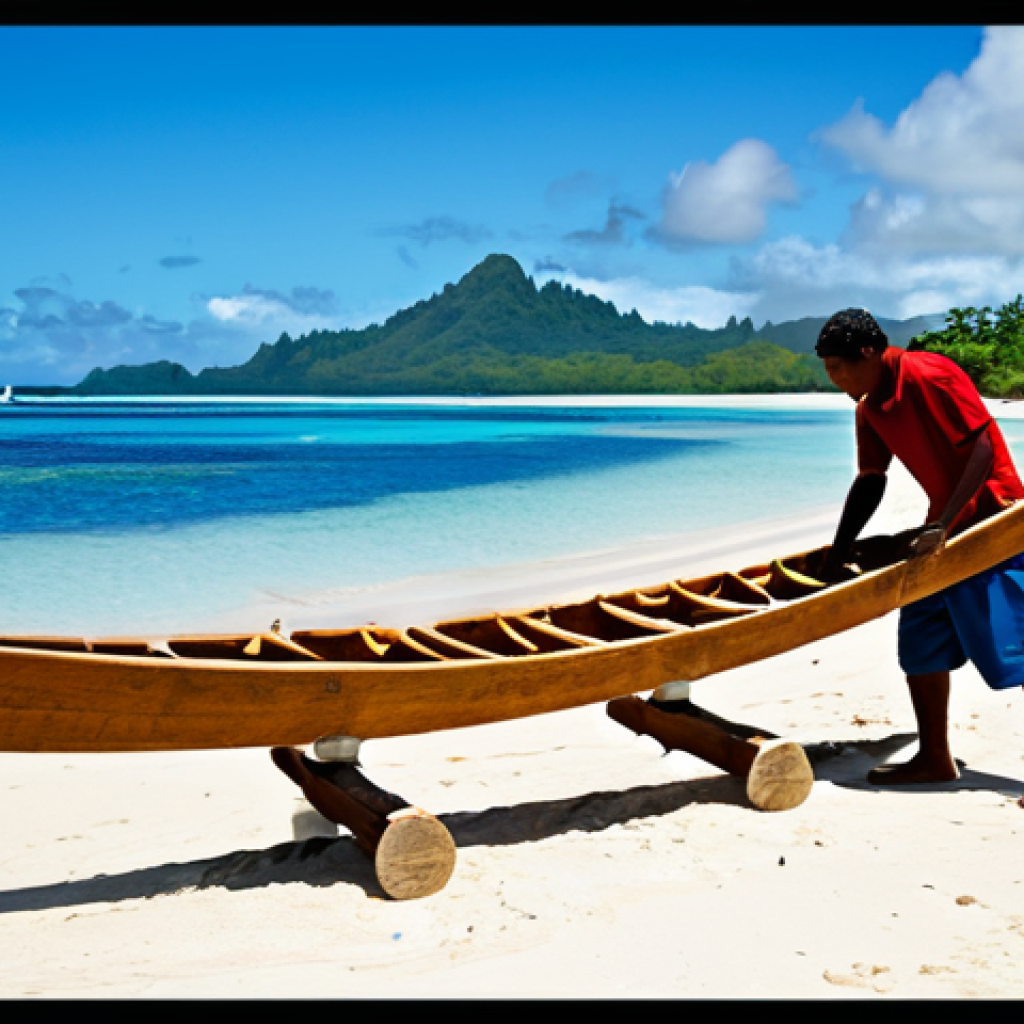
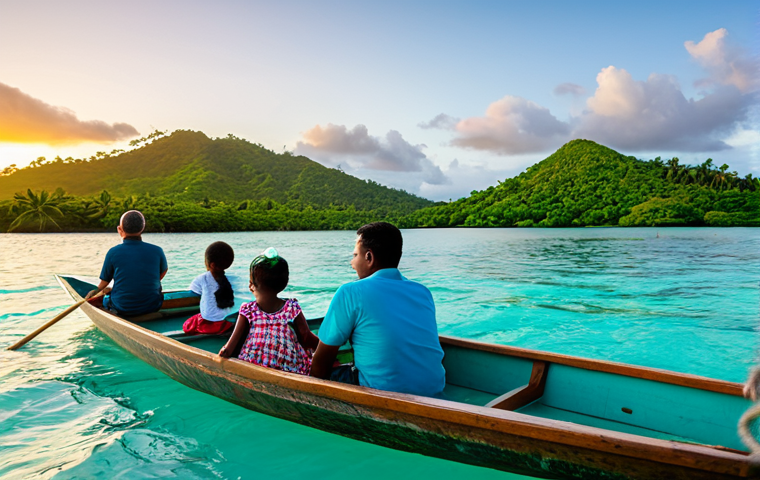
Imagine gliding across turquoise waters, the warm Fijian sun kissing your skin, as you’re propelled forward by the gentle rhythm of a traditional outrigger canoe.
For centuries, these vessels have been the lifeblood of Fijian culture, connecting communities and enabling exploration. I recently had the chance to experience this firsthand, and let me tell you, it’s more than just a boat ride; it’s a journey into the heart of Fijian heritage.
It’s like stepping back in time, feeling the connection to the ocean that their ancestors knew so well. They are even finding ways to make these canoes eco-friendly with the ocean’s health and future generations in mind.
Let’s explore the ins and outs of Fijian traditional boat riding in detail in the article below!
Embracing the Seascape: The Allure of Fijian Water Transportation
The Soul of the Pacific: Understanding Fijian Maritime Heritage
Dive into the heart of Fijian culture and you’ll find the ocean beating as its very pulse. For generations, Fijians have looked to the sea not just for sustenance, but as a highway connecting islands and communities.
Traditional boats, meticulously crafted from local materials, are not merely vessels; they are embodiments of ancestral knowledge, passed down through countless hands.
They reflect a deep understanding of marine ecosystems and sustainable resource management. Picture skilled artisans, using techniques honed over centuries, carefully selecting timber and weaving intricate sails – each boat a testament to their artistry and connection to the natural world.
The importance of these boats extends beyond transportation; they are integral to ceremonies, fishing expeditions, and maintaining familial ties across the archipelago.
I remember talking to a local fisherman who described how the type of wood used for the boat hull was chosen based on the specific currents and fishing grounds he frequented.
This isn’t just about building a boat; it’s about creating a symbiotic relationship with the ocean.
Beyond the Waves: Exploring the Cultural Significance of Fijian Canoes
These canoes are more than just transportation; they are floating embodiments of Fijian identity. Every carve, every knot, every carefully chosen piece of timber tells a story of heritage, skill, and a profound relationship with the ocean.
They play a central role in village life, from transporting goods to ferrying families to neighboring islands for important ceremonies. I witnessed this firsthand during a village festival on Kadavu Island, where a fleet of traditional canoes arrived carrying dancers adorned in vibrant costumes.
The sight of these vessels gliding through the water, accompanied by rhythmic drumming, was truly mesmerizing. They are also vital for sustaining livelihoods through fishing.
Local fishermen rely on these canoes to navigate the reefs and access prime fishing spots, ensuring the continuity of their traditional way of life. The designs, too, are steeped in symbolism, with specific motifs representing ancestral lineages, marine deities, and important cultural narratives.
Crafting Connections: The Art of Fijian Boat Building
Wood, Weave, and Wisdom: The Materials and Methods of Fijian Boat Construction
The construction of traditional Fijian boats is a meticulous process, steeped in ancient knowledge and sustainable practices. It all begins with selecting the right timber, often sourced from native trees known for their durability and resistance to saltwater.
Skilled artisans then carefully shape the hull using hand tools and techniques passed down through generations. I had the privilege of watching a boat builder at work on Viti Levu, and the precision and artistry he displayed were truly remarkable.
He explained that the shape of the hull is crucial for stability and speed, requiring a deep understanding of hydrodynamics. The sails, traditionally woven from pandanus leaves, are another testament to Fijian craftsmanship.
These sails are incredibly strong and lightweight, allowing the boats to harness the power of the wind effectively. Even the ropes and lashings are made from natural fibers, ensuring that every element of the boat is in harmony with the environment.
From Generation to Generation: Passing Down the Legacy of Boat Building
The art of Fijian boat building is not just a craft; it’s a cultural legacy, passed down through generations within families and communities. Young apprentices learn from master craftsmen, absorbing the knowledge and skills required to construct these intricate vessels.
This intergenerational knowledge transfer ensures the continuity of traditional techniques and preserves the cultural significance of boat building. I spoke with a young man on Vanua Levu who was learning the trade from his grandfather.
He expressed a deep sense of pride in carrying on his family’s tradition and a commitment to preserving this vital aspect of Fijian heritage. These apprenticeships often involve more than just technical skills; they also impart a deep respect for the ocean and a commitment to sustainable practices.
Setting Sail: Experiencing Fijian Traditional Boat Rides
A Symphony of Sun and Sea: What to Expect on a Traditional Fijian Boat Ride
Embarking on a traditional Fijian boat ride is an experience that engages all the senses. Imagine the warm sun on your skin, the gentle sea breeze in your hair, and the rhythmic splash of the paddles as the boat glides through the water.
The pace is deliberately slow, allowing you to fully immerse yourself in the natural beauty of the surroundings. I remember the feeling of complete serenity as I sailed along the coastline of Beqa Island, surrounded by lush rainforest and the vibrant colors of the coral reef.
The guides are often local villagers who share their knowledge of the marine environment and Fijian culture. They may point out hidden coves, explain the significance of local landmarks, and even share traditional songs and stories.
Connecting with Culture: The Stories and Traditions Shared Onboard
More than just a scenic tour, a traditional Fijian boat ride offers a unique opportunity to connect with the culture and traditions of the islands. The guides often share stories about ancestral voyages, local legends, and the importance of the ocean in Fijian life.
They might also demonstrate traditional fishing techniques or explain the uses of different plants and herbs found along the coastline. I learned about the importance of “tabu” areas – sacred sites where fishing is prohibited to protect marine resources – and the role of traditional chiefs in managing these areas.
The guides often encourage participation, inviting passengers to try their hand at paddling or learn a few Fijian phrases. It’s an immersive experience that fosters a deeper understanding and appreciation for the rich cultural heritage of Fiji.
Charting a Course for Sustainability: Modern Approaches to Traditional Boats
Balancing Tradition and Innovation: The Evolution of Fijian Boat Design
While rooted in ancient traditions, Fijian boat building is not static. Modern innovations are being integrated to enhance the performance, safety, and sustainability of these vessels.
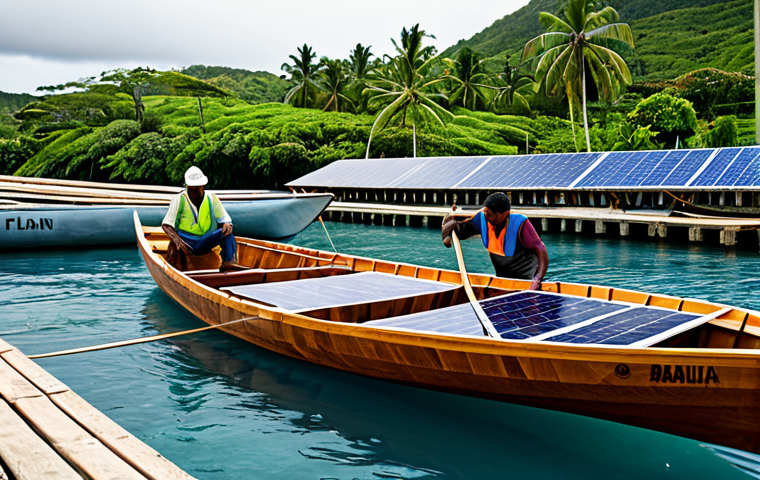
One notable trend is the use of fiberglass and other lightweight materials to reinforce the hull, making the boats more durable and fuel-efficient. I visited a boatyard on Ovalau Island where they were experimenting with different hull designs to improve stability and reduce drag.
They were also incorporating solar panels to power onboard electronics, reducing reliance on fossil fuels. These innovations are carefully balanced with the need to preserve the traditional aesthetic and cultural significance of the boats.
Eco-Friendly Voyages: Promoting Sustainable Tourism through Traditional Boat Rides
Traditional Fijian boat rides are increasingly being recognized as a valuable tool for promoting sustainable tourism. By supporting local boat builders and operators, tourists can contribute to the preservation of traditional skills and the economic empowerment of communities.
Many operators are also committed to eco-friendly practices, such as using biodegradable cleaning products, minimizing waste, and respecting marine wildlife.
I witnessed this firsthand on a snorkeling trip near Savusavu, where the boat operators actively discouraged passengers from touching the coral and provided educational information about the reef ecosystem.
By choosing responsible tour operators and respecting local customs, visitors can help ensure that traditional Fijian boat rides continue to thrive as a sustainable and culturally enriching experience.
Beyond the Horizon: The Enduring Legacy of Fijian Boats
Symbols of Resilience: How Fijian Boats Reflect the Spirit of the Islands
Fijian traditional boats are not just relics of the past; they are living symbols of resilience, ingenuity, and a deep connection to the natural world.
They represent the enduring spirit of the Fijian people and their ability to adapt and thrive in the face of challenges. From navigating treacherous currents to weathering powerful storms, these boats have played a vital role in the survival and prosperity of island communities for centuries.
I was struck by the sense of pride and reverence that Fijians have for their boats. They are seen as more than just tools; they are embodiments of cultural identity and a tangible link to their ancestors.
Preserving the Past, Navigating the Future: The Role of Boats in Modern Fiji
As Fiji embraces modernity, traditional boats continue to play a crucial role in sustaining livelihoods, connecting communities, and promoting cultural tourism.
They are also a reminder of the importance of preserving traditional knowledge and sustainable practices in a rapidly changing world. Efforts are underway to support local boat builders, promote eco-friendly tourism, and raise awareness about the cultural significance of these vessels.
I believe that by celebrating and preserving this rich maritime heritage, Fiji can chart a course for a future that is both prosperous and sustainable.
The future of Fiji is deeply intertwined with its maritime past, and traditional boats will continue to be an integral part of the nation’s identity.
| Aspect | Description | Significance |
|---|---|---|
| Materials | Native timber, pandanus leaves, natural fibers | Sustainable, durable, and culturally relevant |
| Construction | Hand-built using traditional techniques passed down through generations | Preserves ancestral knowledge and skills |
| Cultural Role | Transportation, fishing, ceremonies, and maintaining community ties | Integral to Fijian identity and way of life |
| Modern Adaptations | Fiberglass reinforcement, solar panels, and eco-friendly practices | Enhances performance, sustainability, and appeal to modern travelers |
| Tourism | Offers unique cultural experiences and supports local economies | Promotes sustainable tourism and preserves traditional skills |
In Conclusion
As the sun dips below the horizon, painting the Fijian sky in hues of orange and purple, the enduring legacy of these traditional boats remains a testament to the islands’ rich maritime heritage. They stand as symbols of resilience, ingenuity, and the unbreakable bond between the Fijian people and the ocean. Whether you’re seeking adventure, cultural immersion, or simply a tranquil escape, the allure of Fijian water transportation promises an unforgettable journey.
So, come set sail and experience the magic for yourself. The rhythm of the waves, the warmth of the sun, and the welcoming spirit of the Fijian people await, promising memories that will last a lifetime. Bula!
Good to Know Information
1. Best Time to Visit: Fiji enjoys warm, tropical weather year-round, but the dry season (May to October) offers the most sunshine and the least rainfall.
2. Currency: The Fijian Dollar (FJD) is the local currency. Credit cards are widely accepted in tourist areas, but it’s wise to have some cash on hand for smaller villages and markets.
3. Getting Around: While traditional boats offer a unique experience, ferries and domestic flights are readily available for inter-island travel.
4. Respect Local Customs: When visiting villages, dress modestly (shoulders and knees covered) and ask for permission before taking photos. A “sevusevu” (gift of kava root) is often presented to the village chief as a sign of respect.
5. Responsible Tourism: Choose eco-friendly tour operators, avoid touching coral reefs, and support local businesses to minimize your impact on the environment.
Key Takeaways
Fijian traditional boats are much more than a means of transportation; they are floating embodiments of culture, heritage, and the enduring spirit of the islands.
The construction of these vessels is a meticulous art, steeped in ancient knowledge and sustainable practices, passed down through generations.
Embarking on a traditional Fijian boat ride offers a unique opportunity to connect with the culture, traditions, and natural beauty of Fiji.
Modern innovations are being integrated to enhance the performance, safety, and sustainability of these boats, ensuring their relevance in the modern world.
By supporting local boat builders and operators, tourists can contribute to the preservation of traditional skills and the economic empowerment of communities.
Frequently Asked Questions (FAQ) 📖
Q: What’s the best time of year to experience a traditional Fijian outrigger canoe ride?
A: Honestly, Fiji is pretty amazing year-round, but if you want to dodge the heaviest rains and humidity, aim for the dry season, which is roughly from May to October.
I went in July, and the weather was absolutely perfect – sunny skies, gentle breezes, and the water was crystal clear. Plus, fewer mosquitos bugging you!
Keep in mind, though, that this is also peak tourist season, so expect slightly higher prices and more people. Still, totally worth it, in my opinion.
Q: Are these outrigger canoe rides safe for families with young kids?
A: That’s a great question! From what I saw, most operators are really mindful of safety, especially when kids are involved. They typically provide life jackets for everyone, and the experienced guides know the waters like the back of their hand.
However, it’s always smart to check with the tour operator beforehand about their specific safety procedures and age restrictions, just to be sure everyone’s comfortable.
I’d also recommend bringing along some snacks and drinks to keep the little ones happy on board – hangry kids are never fun on a boat!
Q: What kind of sustainable practices are being implemented with these traditional canoes?
A: This is something I found particularly impressive! I learned that many local communities are increasingly focused on making these canoes more eco-friendly.
For instance, some are now built using sustainably sourced wood or even recycled materials. Others are powered by sails whenever possible, reducing the reliance on fuel-guzzling engines.
Plus, a lot of the tour operators are actively involved in marine conservation efforts, educating visitors about the importance of protecting Fiji’s coral reefs and marine life.
It’s reassuring to know that by experiencing this beautiful tradition, you’re also supporting a more sustainable future for Fiji.
📚 References
Wikipedia Encyclopedia
구글 검색 결과
구글 검색 결과
구글 검색 결과
구글 검색 결과
구글 검색 결과