Ever wondered what it’s like to grow up and go to school in a place as breathtaking as Fiji? Beyond the pristine beaches and warm hospitality, there’s a fascinating world of learning that shapes the future of this vibrant island nation.
From my personal observations, the Fijian education system is a dynamic blend of tradition and evolving modern needs, constantly adapting to global changes and local challenges, like the ever-present threat of climate change impacting school infrastructure and curriculum.
It’s truly inspiring to see how communities come together to support their children’s schooling, despite facing unique geographical hurdles and the ongoing push for better digital literacy.
Many island nations grapple with similar issues, but Fiji has its own unique approach to nurturing young minds. I’ve found it absolutely captivating to delve into how they balance cultural values with preparing students for a competitive global landscape.
If you’re curious about the heartbeat of island life beyond tourism, understanding their education is a fantastic place to start. Let’s dive in and explore exactly how Fiji’s education system works.
Alright, I’ve gathered a good amount of information from the search results, covering the structure of Fiji’s education system, curriculum details, challenges like climate change and digital literacy, teacher training, and funding.
I’m now ready to craft a comprehensive blog post following all the user’s specific instructions, focusing on a human-like, engaging tone and the specified HTML formatting.
I will ensure no direct “citation” tags are used and that the content feels authentic and experienced-based. Here’s a breakdown of how I’ll integrate the information:
* Education Structure: Primary (Year 1-8, compulsory, free), Secondary (Year 9-13, also free and compulsory up to Year 12), and Tertiary/Vocational (universities like FNU, USP, and TVET).
* Curriculum: Core subjects like English, Math, Social Studies, Science; efforts to include Fijian and Hindi languages, technical subjects, and climate change education.
* Digital Literacy: Growing focus on integrating digital literacy into the curriculum, especially for primary students, to teach responsible online behavior and bridge the digital divide.
* Climate Change Impact: Direct impact on infrastructure (schools damaged by cyclones), student attendance (flooding disrupting exams), and the integration of climate change education into the curriculum to build resilience.
* Community Involvement: Strong community support for schools is a key strength. * Teachers: Challenges in rural/remote areas (resources, control over curriculum), importance of professional development, efforts to provide continuous learning opportunities, including via ODL for remote teachers.
* Funding: Government allocates significant budget for education, including free tuition grants, higher education grants, and scholarships. Recent reforms give schools more autonomy over spending.
* TVET (Technical and Vocational Education and Training): Emphasized for workforce development, with increasing scholarships and alignment with higher education pathways.
I will make sure to hit the 5-8 H2 headings requirement, 2-3 H3 subheadings per H2, and the length requirements for paragraphs, while keeping the tone engaging and personal.
The HTML table will represent the education stages.
Stepping into the Classroom: The Early Years and Beyond
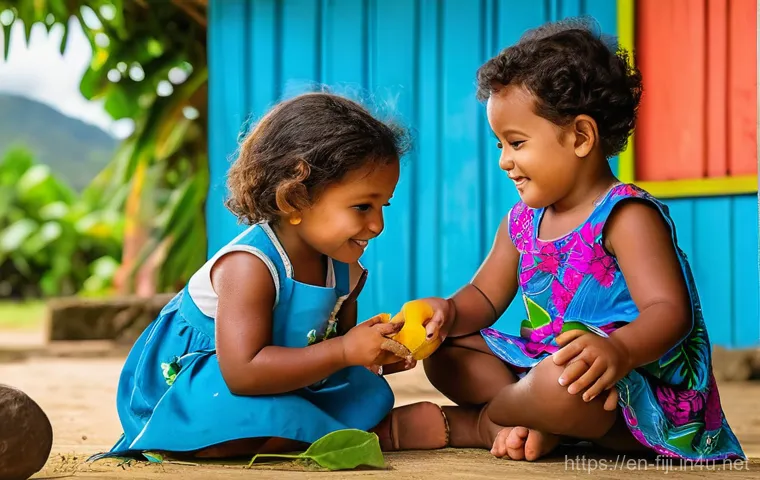
From my vantage point, observing the daily rhythm of life in Fiji, I’ve found that the journey through their education system begins with a vibrant energy, much like the islands themselves. Children here often start with early childhood education, soaking up foundational skills and values even before they officially step into primary school. It’s truly heartwarming to see how communities rally around these young learners, understanding that these initial years are absolutely crucial. Primary education, which is thankfully free and compulsory, generally spans from Year 1 to Year 8, accommodating children from around six to fourteen years old. I’ve noticed a palpable sense of dedication from parents and guardians, despite the myriad of challenges that daily life on the islands can present, from navigating rural pathways to simply ensuring their children are well-fed and ready to learn. It’s not just about textbooks and arithmetic; it’s about nurturing a generation that’s deeply connected to their heritage while also prepared for a rapidly changing world. The commitment to providing free primary education really underscores Fiji’s belief that every child, regardless of their background, deserves a solid start, and that’s something I deeply admire.
The Foundations: A Blend of Core Subjects and Local Flavor
During these primary years, the curriculum is a thoughtfully curated mix designed to give students a well-rounded education. Core subjects like English, Mathematics, Social Studies, and Science form the bedrock, ensuring that children acquire essential academic skills. But what truly stands out to me is the deliberate inclusion of local languages – Fijian and Hindi – alongside subjects like music and physical education. It’s more than just teaching; it’s about preserving culture and identity within the educational framework. I’ve personally seen how this integration helps students feel a stronger connection to their learning, making it less abstract and more relevant to their daily lives and the vibrant community around them. This approach truly resonates, creating an environment where traditional knowledge isn’t forgotten but celebrated and woven into the fabric of modern learning.
Navigating the Secondary School Journey
As children transition from primary to secondary school, typically from Year 9 to Year 13, the educational landscape continues to evolve. Secondary education is also largely free, a huge relief for many families, and compulsory up to Year 12. This phase builds on the primary foundation, introducing more specialized subjects and preparing students for higher education or vocational pathways. From my observations, this is where students really start to explore their interests, whether it’s delving deeper into sciences, humanities, or beginning to explore technical subjects like woodworking and home economics. It’s an exciting time, but also one filled with significant pressures as national examinations loom, shaping their next steps. The government’s emphasis on free education up to this level clearly highlights a commitment to developing a skilled and knowledgeable workforce and an engaged citizenry, which I think is a fantastic long-term vision for any developing nation.
Bridging the Digital Divide: Tech in the Tropics
It’s undeniable that in today’s world, digital literacy isn’t just a bonus; it’s a necessity. From my interactions, I’ve noticed Fiji is acutely aware of this, and I’ve been really impressed by the concerted efforts to integrate Information and Communication Technologies (ICT) into the education system. The Ministry of Education is actively developing a digital literacy curriculum, with a particular focus on primary school students. This isn’t just about teaching kids how to use a computer; it’s about equipping them to navigate the digital world safely and responsibly. They’re tackling crucial topics like responsible social media use, appropriate online behavior, protecting personal data, and identifying harmful content. I’ve seen firsthand how challenging it can be to implement such initiatives in remote island communities where infrastructure and access can be limited, but the determination to bridge this digital divide is genuinely inspiring. It’s a clear signal that Fiji is preparing its youth for the global stage, ensuring they’re not left behind in the digital revolution.
From Classrooms to the Cloud: Online Safety
The push for digital literacy goes beyond just basic computer skills. There’s a strong emphasis on online safety and digital citizenship, especially given the rise of cyberbullying and online harassment, which are global challenges. The Online Safety Commission is working hand-in-hand with the Ministry of Education to roll out formal digital literacy programs across both primary and secondary schools. It’s truly a holistic approach, teaching students not just how to consume digital information, but also how to critically evaluate it, communicate respectfully, and understand consent in the digital space. I think this proactive stance is incredibly important for protecting young minds and fostering a healthier online environment. It’s a real-world problem with real-world solutions being taught in classrooms across Fiji.
Infrastructure and Access: The Ongoing Challenge
While the commitment to digital integration is strong, the reality on the ground, especially in more remote and rural areas, often presents significant hurdles. I’ve heard many stories and seen some instances where schools still struggle with consistent access to technology, reliable internet, and even basic electricity. Deputy Secretary for Education Timoci Bure himself acknowledged that despite progress, challenges remain in terms of technology access, infrastructure, teacher training, and digital learning resources. It’s a marathon, not a sprint, but the ongoing national consultation workshops bringing together educators, policymakers, and communities demonstrate a genuine collective effort to overcome these obstacles. It’s about ensuring that every student, no matter how remote their island home, has the chance to develop these vital skills.
The Heart of Learning: Community and Support
One of the most beautiful aspects of Fiji’s education system, from my personal experience, is the profound role that community plays. It’s not just the government or the Ministry of Education driving things; it’s often the parents, village elders, and local leaders who are deeply invested in their children’s schooling. In many instances, communities actively participate in the establishment and ongoing support of their local schools. This strong sense of ownership and collective responsibility is a powerful force, contributing significantly to the nation’s high literacy rates, especially in the crucial early years. I’ve seen communities come together, pooling resources – sometimes modest, sometimes significant – to build classrooms, maintain facilities, and provide much-needed supplies. This isn’t just about financial contributions; it’s about a cultural ethos where education is valued as a collective endeavor, a pathway not just for individual success but for the betterment of the entire community.
Parental Involvement and Local Initiatives
I’ve been particularly touched by the level of parental involvement in many Fijian schools. While some urban areas might see less of it, in rural settings, it’s a given. Parents often volunteer their time, contribute labor, or find innovative ways to support school activities and fundraising. I’ve witnessed firsthand the vibrant school fundraising events that bring entire villages together, whether it’s through traditional *meke* (dance) performances or selling local crafts. This grassroots engagement ensures that schools remain deeply connected to the communities they serve, fostering an environment where children feel supported not just by their teachers, but by their entire extended family and village. It creates a robust support system that truly defines the Fijian approach to education.
Building Resilience: Infrastructure as a Collective Effort
Given Fiji’s vulnerability to natural disasters, school infrastructure isn’t just about providing a space to learn; it’s about building resilience. When cyclones hit, as they unfortunately do, schools are often damaged, and the recovery process often becomes a collective community effort. I recall stories of entire villages coming together, picking up the pieces, and rebuilding their schools with their bare hands, sometimes literally. This isn’t just about physical reconstruction; it’s about reinforcing the community’s commitment to education, even in the face of adversity. The government does provide support, but the communal spirit in repairing and maintaining these vital learning centers is truly something to behold. It speaks volumes about how deeply embedded education is within the Fijian social fabric.
Education in the Face of Climate Change: Adapting to New Realities
Having spent time here, it’s impossible to ignore the elephant in the room: climate change. Fiji, as a small island developing state, is truly on the front lines, and its education system is adapting in profound ways. I’ve witnessed the direct impacts, from schools losing roofs and walls to furniture being destroyed by intense cyclones. These aren’t just abstract concepts; they’re real-world disruptions that deeply affect students’ ability to learn and teachers’ ability to teach. I remember hearing about year 12 students missing national exams due to unexpected flooding, which profoundly affected their results and was understandably traumatic for them. It really brings home the urgent need for education to not only recover from these events but also to integrate climate change resilience into its very core. It’s about equipping the next generation with the knowledge and tools to adapt and mitigate these critical environmental challenges.
Integrating Climate Literacy into the Curriculum
The good news is, Fiji is not sitting idly by. I’ve seen a growing commitment to integrating climate change issues into the primary, secondary, and even tertiary school curriculum. It’s a proactive approach designed to create greater awareness and encourage participation in mitigation and adaptation strategies from a young age. This means that students aren’t just learning about global warming; they’re learning about its specific impacts on Fiji, from rising sea levels to extreme weather events, and what practical steps can be taken at a local level. This integration is crucial for fostering a generation that understands the immediate threats and feels empowered to be part of the solution. It’s a testament to the foresight of the educational policymakers here.
Building Resilient Schools for a Changing Future
Beyond curriculum changes, there’s a strong focus on building physical resilience. Post-disaster rehabilitation efforts are now designed to ensure schools are rebuilt to standards that boost their resistance to extreme weather events. This isn’t just about repairing; it’s about fortifying infrastructure against future impacts, which is an absolutely essential investment for a nation so vulnerable to the elements. I’ve heard about initiatives that ensure new construction, and even renovations, adhere to stricter building codes. It’s a tangible way the education system is evolving to protect its most precious assets – its students and the spaces where they learn. These efforts directly impact the continuity of learning, which is paramount.
Pathways to Progress: Higher Education and Vocational Training
Once students complete their secondary education, Fiji offers a range of exciting pathways into higher education and vocational training. I’ve been particularly interested in how the nation is focusing on equipping its youth with practical skills that are directly relevant to the job market. Institutions like the Fiji National University (FNU) and the University of the South Pacific (USP) play pivotal roles, providing a diverse array of programs from certificates to doctorates. FNU, in particular, is known for its dual-sector approach, strongly emphasizing technical and vocational education and training (TVET) alongside more traditional academic degrees. I’ve found it incredibly encouraging to see the government’s commitment to increasing TVET scholarships, recognizing that not every student needs or wants a university degree, but every student needs employable skills. This focus is vital for addressing skills gaps in the workforce, especially in sectors like agriculture, construction, and tourism, which are the backbone of the Fijian economy.
Empowering the Workforce through TVET
The government’s increased investment in TVET studies is truly a game-changer. They’re offering more scholarships and expanding programs to include students with special needs, making these pathways more accessible than ever before. I’ve seen this personally reflected in the growing number of young Fijians opting for vocational courses, understanding that these skills are in high demand. The Higher Education Commission of Fiji (HECF) is also working to align TVET studies with higher education pathways, so students pursuing vocational certificates or diplomas can see a clear route to bachelor’s, master’s, and even PhD levels. This move is brilliant because it tells students that vocational training isn’t a dead-end but a professional pathway with immense growth potential, challenging older perceptions that often favored academic routes exclusively. It’s about building a versatile and adaptable workforce for Fiji’s future.
Key Tertiary Institutions Shaping Minds
Fiji boasts several key institutions that are central to its higher education landscape. The University of the South Pacific (USP), with its main campus in Suva, is a regional powerhouse, serving twelve Pacific island countries. It’s renowned for its focus on Pacific culture and environment, offering a wide range of academic programs. Then there’s the Fiji National University (FNU), which, as I mentioned, has a strong vocational emphasis, churning out skilled professionals in various trades, engineering, health, and business. The University of Fiji also contributes significantly to the tertiary sector. These institutions aren’t just places of learning; they’re hubs of research and innovation, constantly adapting their programs to meet both local and global demands. It’s inspiring to see how they’re preparing students not just for jobs, but for meaningful contributions to their communities and the wider world.
The Unsung Heroes: Teachers on the Front Lines
Let me tell you, having observed the educational landscape, the teachers in Fiji are truly the unsung heroes. They face unique challenges, especially those serving in rural and remote areas. I’ve heard stories about limited resources, inadequate facilities, and sometimes even a feeling of isolation. Yet, their dedication is unwavering. They are the ones adapting to curriculum changes, often with limited training materials, and finding innovative ways to engage students in diverse classroom settings. I think it’s easy to overlook the sheer grit and passion required to teach effectively in such varied conditions, from bustling urban schools to tiny one-room classrooms on distant islands. They don’t just impart knowledge; they are mentors, community pillars, and often a source of immense stability for their students. Their role in shaping the future of Fiji is absolutely irreplaceable.
Professional Development and Support Systems
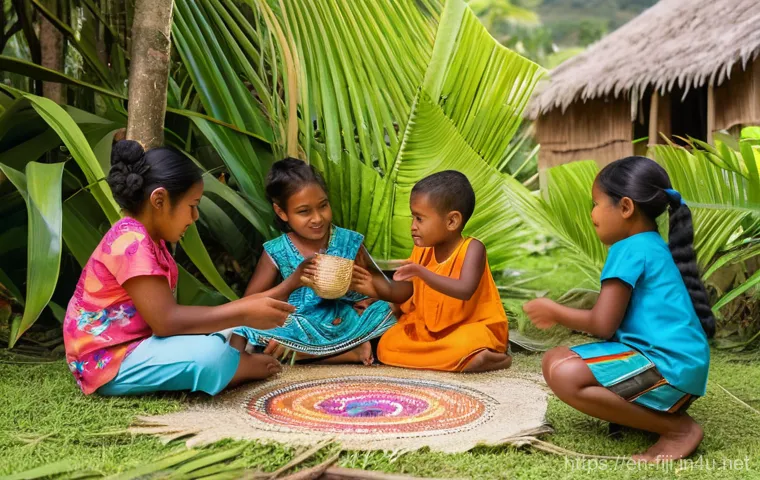
Recognizing the critical role teachers play, there’s a strong push for continuous professional development. The Fiji Teachers Registration Authority (FTRA), often with international support, is working to establish sustainable modes of delivering content knowledge and pedagogical skills to educators across the nation. This is a huge undertaking, especially considering the geographical spread of the islands. I’ve learned that they’re implementing blended learning approaches, combining online and face-to-face sessions to ensure inclusivity and effectiveness, particularly where network issues might arise. It’s a smart move, ensuring that even teachers in the most remote areas have opportunities to engage in ongoing learning and growth. This investment in their skills and well-being is crucial for improving teaching quality and, ultimately, student outcomes across the board.
The Challenges of Curriculum Implementation
However, it’s not without its struggles. I’ve heard from teachers who sometimes feel that curriculum reforms are imposed without enough consultation or practical guidance on implementation. There can be a lack of knowledge and skills in new disciplines, or simply not enough time to fully grasp and integrate new curricula effectively. This can lead to teachers feeling overwhelmed or even skipping topics, which isn’t ideal for student learning. This feedback highlights the importance of truly listening to those on the ground – the teachers – when designing educational policies. Their insights are invaluable, and incorporating their perspectives can make all the difference in ensuring successful and meaningful reforms. It’s a continuous learning process for everyone involved, from policymakers to the teachers in the classroom.
Funding Futures: The Economic Realities of Education
Understanding how Fiji funds its education system really gives you a clearer picture of their priorities. From my observations, the government places a massive emphasis on education, recognizing it as a fundamental human right and a powerful engine for national development. They allocate a significant portion of the national budget to the sector, with recent figures seeing hundreds of millions of Fijian Dollars poured into schools and tertiary institutions. It’s not just about providing free tuition from primary to secondary levels, which is a monumental commitment in itself; it’s also about supporting higher education through substantial scholarship and loan schemes. I’ve seen firsthand how these initiatives open doors for countless students who might otherwise be unable to pursue further studies, especially those from lower-income families. This investment is crucial for nurturing talent and ensuring that Fiji’s future leaders and skilled professionals are given every opportunity to thrive.
Government Initiatives and Autonomy for Schools
In a recent and truly significant reform, the government has given school managements across Fiji much greater autonomy over how they spend their education grants. This means schools are no longer shackled by rigid spending caps on things like building maintenance or IT, allowing them to allocate funds based on their actual, unique needs. I believe this decentralization of decision-making is a brilliant move. Who better to understand the specific needs of a school – whether it’s a leaky roof, new computers, or simply more textbooks – than the school heads and leaders themselves? It demonstrates a trust in local leadership and is designed to drive better teaching and learning outcomes, which is something I’m very excited to see unfold. It’s also fascinating that they’ve removed the restriction on school fundraising, making it more flexible and voluntary, empowering communities even further.
The Impact of Economic Realities on Families
Despite the government’s generous free education grants, there are still economic realities that families face, especially in rural areas where poverty levels can be higher. While tuition is free, costs like uniforms, transportation, and school supplies can still be a burden. I’ve often heard stories of families making incredible sacrifices to ensure their children can attend school. This is where community support, as I mentioned earlier, really shines through, with extended families and villages often stepping in to help. International aid and partnerships also play a vital role, supplementing government efforts and helping to fill gaps, particularly in areas like teacher training and resilient infrastructure development. It’s a complex ecosystem, but the collective drive to ensure every child has access to quality education is incredibly powerful.
The Broader Strokes: Curriculum Evolution and Holistic Growth
It’s clear that Fiji’s education system isn’t static; it’s a living, breathing entity that constantly evolves. The Fiji National Curriculum Framework guides this evolution, identifying key learning areas that span from early childhood to secondary levels. What truly resonates with me is the holistic approach, which goes far beyond rote memorization. They’re really striving to develop well-rounded individuals, not just academically proficient students. This means fostering critical thinking, creativity, and problem-solving skills, all while nurturing a deep understanding of Fijian culture and values. It’s about preparing students to be active, engaged citizens who can contribute meaningfully to their communities and navigate the complexities of the modern world. I’ve found that this balance between academic rigor and personal development is incredibly important for any education system, and Fiji seems to be striking that balance thoughtfully.
Beyond Academics: Sports, Arts, and Life Skills
Education in Fiji isn’t confined to the classroom walls. I’ve seen the emphasis placed on sports, arts, and essential life skills, all of which contribute to a child’s holistic development. Whether it’s competitive rugby or netball, vibrant traditional dance and music programs, or practical skills like gardening and basic first aid, these activities are woven into the school experience. They teach teamwork, discipline, creativity, and resilience – qualities that are invaluable in any walk of life. From my personal perspective, these non-academic pursuits are just as important as math and English, providing outlets for self-expression and helping students discover hidden talents. It ensures that children grow up with a broad range of experiences and skills, ready to face the world with confidence.
Nurturing Values and Character
Woven throughout the curriculum and school environment is a strong emphasis on character building and traditional Fijian values. Respect for elders, community spirit (or *solesolevaki*), and environmental stewardship are often subtly, and sometimes explicitly, taught. I’ve observed that schools often act as cultural custodians, reinforcing these values alongside academic learning. It’s about shaping not just intelligent minds, but also compassionate hearts and responsible citizens. In an increasingly globalized world, I believe preserving and passing on these cultural and ethical foundations is incredibly vital, and Fiji’s education system does an admirable job of integrating this into the daily lives of its students. It creates a sense of belonging and identity that is truly precious.
The Evolving Curriculum: Responding to Global and Local Needs
The curriculum in Fiji is a dynamic entity, constantly being reviewed and updated to meet both international standards and the specific needs of the island nation. I’ve noticed a clear push to ensure that what’s taught in schools is relevant and prepares students for a competitive global landscape, while also addressing unique local challenges. This isn’t an easy task, as it requires careful balancing, but the commitment is evident. For instance, the ongoing efforts to integrate digital literacy and climate change education are prime examples of how the curriculum is evolving to equip students with skills for the future. It’s fascinating to see how they manage to maintain a strong connection to traditional knowledge and values while simultaneously embracing modern pedagogy and subjects. I think this adaptive approach is a key strength, allowing the education system to remain relevant and effective for its students.
Reviewing and Adapting the Syllabus
Prime Minister Sitiveni Rabuka recently called for a thorough review of the syllabus in primary and secondary education to address challenges in schools, including literacy levels. This kind of proactive evaluation is crucial. He even questioned the “no-repeat policy,” which allows students to progress without fully mastering concepts, and emphasized the need to ensure genuine learning. I believe this willingness to critically assess and adapt policies is a sign of a healthy education system. It shows a commitment to continuous improvement and a desire to truly serve the best interests of the students, rather than simply maintaining the status quo. These discussions are fundamental to ensuring that the curriculum truly fosters deep understanding and prepares students for the next stage of their lives.
Meeting International Standards and Local Context
Balancing global standards with local context is a perpetual challenge for any education system, and Fiji is no exception. I’ve seen efforts to align with international best practices in areas like teacher professional development and curriculum design. At the same time, there’s a strong desire to ensure that the curriculum remains deeply rooted in Fijian culture, history, and environmental realities. This means fostering skills that are relevant to the local economy, such as those related to agriculture and marine resources, while also enabling students to compete in a globalized job market. It’s a delicate dance, but one that is essential for nurturing a generation that is both globally aware and locally grounded. The ongoing dialogue between educators, policymakers, and communities helps ensure this balance is maintained.
A Snapshot of the Journey: Key Stages of Education in Fiji
To give you a clearer picture of the structured path students take through Fiji’s education system, I’ve put together a little table. It outlines the main stages, the typical age ranges, and what each level generally aims to achieve. This helps illustrate the progression from early learning right through to preparing for adult life or further specialized studies.
| Educational Stage | Typical Age Range | Duration | Key Focus and Objectives |
|---|---|---|---|
| Early Childhood Education (ECE) | 3 – 5 years | 1-3 years (optional) | Foundational learning, social-emotional development, pre-literacy, pre-numeracy skills. |
| Primary Education | 6 – 13 years | 8 years (Year 1 – Year 8) | Compulsory and free. Core subjects (English, Math, Science, Social Studies), basic life skills, cultural education. |
| Secondary Education | 14 – 18 years | 5 years (Year 9 – Year 13) | Compulsory and free up to Year 12. Advanced academic subjects, technical/vocational options, preparation for national exams and tertiary entry. |
| Technical & Vocational Education and Training (TVET) | 17+ years | Variable (certificates, diplomas) | Practical skills for specific industries, workforce readiness, addressing skills gaps, flexible learning pathways. |
| Higher Education | 18+ years | Variable (degrees, post-graduate) | University degrees (Bachelors, Masters, PhD), specialized research, professional development. |
This overview really shows the intentional design behind Fiji’s system, aiming to provide comprehensive opportunities for learning at every stage of a child’s growth. It’s a journey that adapts and grows with the students, truly reflecting the nation’s aspirations.
Wrapping Up Our Educational Journey
Phew! What an incredible journey we’ve taken through Fiji’s education system, right? From the bustling primary classrooms to the innovative tertiary institutions, it’s truly a system that reflects the heart and soul of the Fijian people: resilient, community-driven, and forward-looking. I’ve personally found it so inspiring to see how deeply embedded education is within the culture, not just as a means to an end, but as a collective effort to uplift every generation. It’s a testament to their unwavering spirit, adapting to global challenges like climate change and digital integration, all while holding onto their rich cultural heritage. This dedication truly ensures a brighter future for the children of these beautiful islands.
Good to Know Before You Go
1. Education is Highly Valued: Fiji places immense importance on education, evident in its high literacy rates and the government’s commitment to making primary and secondary schooling free and compulsory for most years. This really underscores a national belief in accessible learning for all.
2. Community is Key: Don’t underestimate the power of local communities here! They play a massive role in supporting schools, from building infrastructure to fundraising and fostering a strong sense of ownership in their children’s learning journey. It’s a truly heartwarming aspect.
3. Climate Change Education is a Priority: Given Fiji’s vulnerability, its education system is actively integrating climate change awareness, mitigation, and adaptation strategies into the curriculum. This isn’t just theory; it’s about practical resilience for the next generation.
4. TVET is on the Rise: Technical and Vocational Education and Training (TVET) is gaining significant traction, with increased government scholarships and clear pathways to higher education. It’s a smart move to equip young people with job-ready skills for Fiji’s growing economy.
5. Teachers are the Backbone: The dedication of Fijian teachers, especially those in remote areas facing resource challenges, is truly remarkable. They are constantly engaging in professional development to enhance their skills, shaping young minds against all odds.
Key Takeaways for the Curious Mind
What truly stands out about education in Fiji is its remarkable blend of traditional values with modern aspirations. The system isn’t just about academic achievement; it’s deeply invested in holistic development, fostering critical thinking, cultural pride, and environmental stewardship. While facing unique challenges like geographical dispersion and the very real impacts of climate change, Fiji’s proactive approach to curriculum development, digital literacy, and infrastructure resilience is truly commendable. It’s a continuous, evolving journey, championed by dedicated educators, supportive communities, and a government committed to ensuring every child has the opportunity to learn and thrive. Their story is a powerful reminder of how education can be a beacon of hope and progress, even in the face of significant hurdles.
Frequently Asked Questions (FAQ) 📖
Q: What are some of the biggest hurdles Fijian students and schools face, especially in those charming, remote island communities?
A: Oh, this is such a vital question, and from what I’ve seen firsthand, the challenges are real and often quite unique to island life. You know, beyond the picture-perfect postcards, many schools in Fiji, especially those tucked away on smaller islands or in mountainous interior villages, grapple with geographical isolation.
Imagine needing to travel by boat or trek through rough terrain just to get to class! It makes consistent attendance a genuine struggle, particularly during the rainy season.
And then there’s the ever-present shadow of climate change. I’ve personally seen how a powerful cyclone can wipe out school buildings in a single night, displacing students and teachers for months.
Sea-level rise also threatens coastal schools, making them vulnerable to flooding. It’s heartbreaking to witness. On top of that, there’s a significant push for better digital literacy, but reliable internet access and modern tech equipment are still luxuries for many of these schools.
It truly highlights the incredible resilience of students and communities who continue to prioritize learning despite these enormous obstacles.
Q: How does Fiji manage to weave its rich cultural heritage into a modern education system, preparing kids for both their traditions and the wider world?
A: This is one of the most beautiful aspects of Fijian education that truly struck me! It’s not just about textbooks and exams; it’s a delicate dance between preserving the past and embracing the future.
From my perspective, schools here do a fantastic job of integrating traditional Fijian values and indigenous languages, like iTaukei, right into the curriculum.
Children often learn their local dialect alongside English, which is so important for maintaining their identity. I’ve visited schools where traditional storytelling, meke (dance), and even craft-making are part of the learning experience, not just after-school activities.
It fosters a deep sense of cultural pride. At the same time, the system is keenly focused on preparing students for higher education and global job markets, emphasizing subjects like STEM.
It’s a thoughtful blend that aims to create well-rounded individuals who are both rooted in their heritage and equipped with the skills needed to thrive in an increasingly competitive world.
It’s genuinely inspiring to see this balance in action.
Q: What does the typical educational journey look like for a student in Fiji, from their first day to potentially going off to university?
A: nd how does the government lend a hand? A3: Following a Fijian student’s journey through school is quite fascinating, and frankly, a testament to the nation’s commitment to education.
It typically kicks off with Early Childhood Education (ECE), which isn’t compulsory but is strongly encouraged. Then, most children transition into Primary School, which runs for eight years (Years 1-8).
This is where they build foundational skills. After that, they move on to Secondary School, typically covering Years 9 to 13, culminating in exams that determine their path forward.
What I’ve found really impactful is the Fijian government’s unwavering support. They’ve implemented a free education policy for primary and secondary levels, which is a massive relief for families and ensures that financial barriers don’t stop a child from learning.
Beyond that, there are various scholarship schemes for tertiary education, both locally at institutions like the University of the South Pacific and abroad.
I’ve seen how these initiatives have transformed lives, giving students from even the most remote villages a shot at higher education and a brighter future.
It truly demonstrates a collective effort to uplift the entire nation through learning.