Oh, Fiji! The very name conjures images of sun-drenched beaches, but for me, it’s the unforgettable taste of authentic local BBQ that truly lingers. I’m talking about smoky, tender meats infused with island spices, slow-cooked to perfection right before your eyes.
Seriously, experiencing a traditional Fijian ‘lovo’ wasn’t just a meal; it was a vibrant immersion into the heart of their culture, a culinary adventure unlike any other.
The warmth of the people, the fresh tropical ingredients – it all came together for a truly sensational experience that I still dream about. Curious to know my absolute favorite spots and what made them so special?
Let’s find out exactly how you can savor this incredible flavor journey!
Unearthing the Flavors of Fiji’s Traditional Lovo Pit
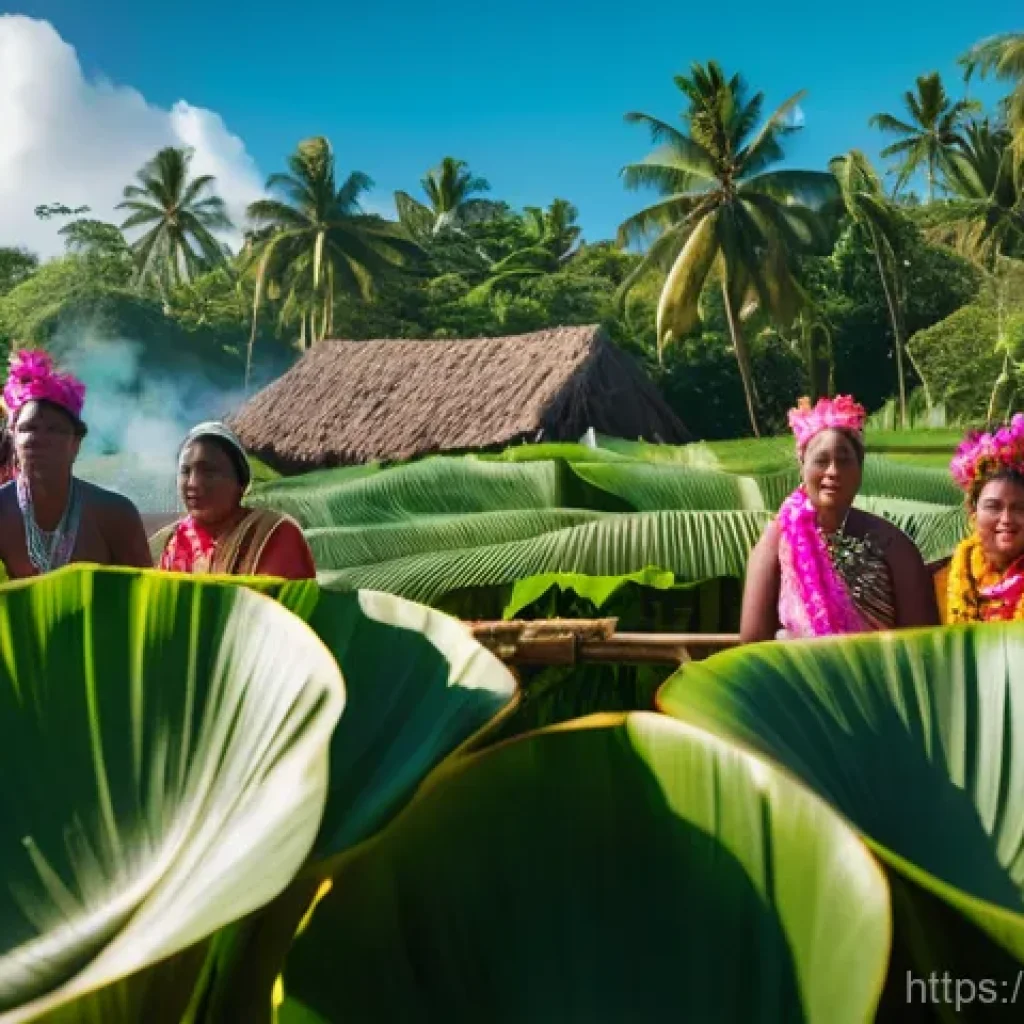
There’s something incredibly primal and satisfying about food cooked in the earth, and in Fiji, they’ve perfected it with the traditional ‘lovo’. When I first heard about a lovo, I imagined a simple bonfire, but boy, was I wrong! It’s an elaborate culinary ritual where meats, fish, and root crops are wrapped in banana leaves, placed on hot stones in an underground pit, and then covered with soil and sacks to slow-cook for hours. My first experience was at a village feast near Nadi, and the aroma alone was enough to make my stomach rumble with anticipation. The moment they unearthed the food, a cloud of fragrant steam billowed out, carrying scents of smoky pork, tender chicken, and starchy taro. It’s not just a cooking method; it’s a community event, a testament to their heritage, and a flavor profile you simply can’t replicate in a modern kitchen. The meat, especially, was so unbelievably tender it literally fell off the bone, imbued with a subtle earthiness and a delightful smoky whisper. This isn’t fast food; it’s slow food at its absolute best, where patience yields unparalleled deliciousness and every bite tells a story of generations. You’ll find yourself reaching for more, even when you’re completely full.
The Art of the Underground Oven
Building a lovo pit is an art form passed down through generations. I watched in awe as the villagers carefully layered firewood and volcanic rocks, igniting them until the stones were glowing red-hot. The preparation of the food itself is just as meticulous, with careful seasoning and wrapping to ensure every morsel cooks evenly and retains its moisture. It truly feels like a communal effort, with everyone playing a part, from gathering ingredients to sealing the pit. The anticipation during the waiting period is part of the experience, a slow build-up to a spectacular reveal. Trust me, if you get the chance to witness a lovo preparation from start to finish, grab it! It’s an unforgettable cultural lesson.
A Symphony of Smoked Goodness
The flavors that emerge from a lovo are unlike anything you’ll taste anywhere else. The combination of slow-cooking, volcanic heat, and the natural steam from the banana leaves creates an incredibly moist and succulent result. You’ll often find whole fish, chicken, pork, and sometimes even lamb, alongside staple root crops like taro, cassava, and kumala (sweet potato). Each item absorbs the smoky essence and the unique Fijian spices, creating a harmonious blend that’s hearty and satisfying. It’s the kind of meal that sticks with you long after the last bite, leaving you dreaming of those sun-drenched island feasts.
Beyond the Resort: My Quest for Authentic Island Grilling
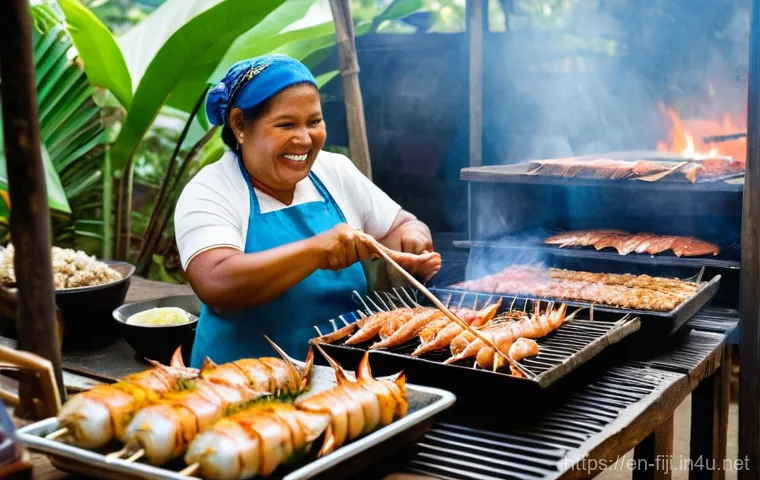
While many resorts offer their version of a Fijian BBQ, I quickly learned that the real magic happens away from the manicured lawns and swim-up bars. My mission on every trip to Fiji has become seeking out the truly authentic, no-frills, local grilling spots that the islanders frequent. It often means venturing into smaller towns, asking locals for their recommendations, and sometimes, simply following my nose to the most tantalizing smoky aromas. One time, I stumbled upon a small roadside stall just outside Sigatoka, run by a wonderfully jovial lady named Mere. She was grilling freshly caught fish over an open flame, marinated in a simple yet incredibly potent blend of ginger, garlic, chili, and coconut cream. The fish was flaky, juicy, and packed with flavor – a far cry from the often-milder resort fare. These hidden gems are where you truly connect with the heart and soul of Fijian cuisine, where the passion for food shines through in every sizzle and every bite. It’s an adventure in itself, and the reward is always worth the effort. You’ll find yourself interacting more with the locals, learning about their day-to-day lives, and creating memories that are far richer than any resort buffet could offer.
Roadside Delights and Village Eats
Don’t be shy about exploring the smaller, less obvious eateries. Some of my most memorable meals have come from humble stalls by the road or small, family-run restaurants tucked away in villages. These places often specialize in a few dishes, prepared with immense care and using the freshest local ingredients. I’ve found that asking a taxi driver or a shop owner where *they* go for a good BBQ often yields the best results. It’s a fantastic way to support local businesses and experience the true culinary landscape of Fiji. Plus, the prices are usually much more budget-friendly, meaning you can indulge more often!
The Unbeatable Freshness Factor
What makes these local spots so special isn’t just the cooking technique; it’s the incredible freshness of the ingredients. Often, the fish you’re eating was caught that very morning, and the vegetables picked just hours before. This farm-to-table (or rather, ocean-to-grill) philosophy is inherent in Fijian cooking, and you can genuinely taste the difference. The vibrant flavors of the sea and the earth truly shine through when they haven’t traveled far. It’s a reminder of how food should taste, pure and unadulterated, a concept that often gets lost in our fast-paced world.
Spice, Smoke, and Sunshine: Decoding the Secrets of Fijian BBQ Marinades
You know, when I think about the quintessential taste of Fijian BBQ, it’s not just the smoky char; it’s the vibrant, aromatic marinades that truly sing. I’ve always been fascinated by how a few simple ingredients can transform a piece of meat or fish into something truly spectacular. My personal dive into this secret world began when I politely pestered a local chef in Suva to share some of his wisdom. He laughed, then generously walked me through the staples: fresh ginger, garlic, spring onions, and a generous splash of local coconut cream. Sometimes, a hint of chili for that delightful kick, and always, always, a squeeze of fresh lime or lemon. It’s this combination that creates that distinct tangy, savory, and subtly sweet profile that makes Fijian BBQ so incredibly addictive. The magic happens when these ingredients are allowed to meld, often for hours, infusing the protein with layers of flavor before it even hits the heat. I’ve tried to replicate it at home, and while I get close, there’s an indefinable element of that Fijian sunshine and easygoing spirit that just makes it taste better on the islands. It’s a delicate balance, never overpowering, allowing the natural goodness of the fresh ingredients to shine through.
The Power of Coconut Cream
Coconut cream is a game-changer in Fijian marinades. It tenderizes the meat beautifully, adds a luscious richness, and imparts a subtle sweetness that balances the savory and spicy elements. I’ve found that using fresh, thick coconut cream makes all the difference – none of that canned stuff if you can help it! It’s not just a flavor enhancer; it also helps to create that beautiful caramelized crust on grilled meats, locking in all the juices. When you bite into a piece of grilled chicken basted in a coconut-lime marinade, you’ll understand why it’s a staple in island cuisine. It’s creamy, it’s dreamy, and it elevates everything it touches.
Ginger, Garlic, and the Island Kick
You can’t talk about Fijian flavors without mentioning the triumvirate of ginger, garlic, and sometimes, a little chili. Freshly grated ginger provides a zesty warmth, while minced garlic adds that pungent depth. And for those who like a bit of heat, a finely chopped bird’s eye chili (or two!) gives it that perfect island kick without overwhelming the other flavors. The beauty is in the freshness; these aren’t dried powders, but potent, aromatic ingredients that are often picked from local gardens. This combination creates a base that is both familiar and exotic, inviting you to savor every mouthful and leaving a pleasant warmth long after.
Where to Find the Best Bites: My Top Local BBQ Haunts
Okay, let’s get down to the juicy bits – my absolute favorite spots for a Fijian BBQ feast! This isn’t just about food; it’s about the entire vibe, the people, the atmosphere, and the unforgettable tastes that stick with you. While I always recommend exploring and finding your own hidden gems, I’ve got a few go-to places that consistently deliver. First up, the Port Denarau Marina on Viti Levu isn’t just for tourist boats; some of the smaller, unassuming stalls there serve up incredible grilled fish and prawns, often caught that very morning. The trick is to watch where the locals are queuing up! Another absolute must-visit is the Suva Municipal Market on a Saturday morning. After you’ve soaked in the vibrant chaos of fresh produce and kava vendors, head to the outskirts where you’ll find portable grills sizzling with all sorts of delights. I once had the most amazing grilled octopus there, so tender it melted in my mouth, seasoned with just salt, pepper, and lime. Finally, for a more relaxed, but equally authentic experience, look out for community events or village tours that include a traditional lovo. The hospitality and the sense of sharing at these gatherings are unparalleled. These spots aren’t always fancy, but they offer the true taste of Fiji, cooked with love and served with a genuine smile. You’ll leave with a full belly and an even fuller heart, trust me.
Port Denarau’s Hidden Grills
It’s easy to get distracted by the flashier restaurants at Port Denarau, but if you look closely, especially towards the ends of the marina, you’ll find some smaller, family-run operations. These are often the places selling freshly grilled snapper, mahi-mahi, or even lobster straight from the ocean. They might not have extensive menus, but what they do, they do exceptionally well. The simplicity is part of the charm; it’s all about letting the quality of the seafood shine. Pair it with a cold Fiji Bitter and you’ve got yourself a perfect island lunch, watching the boats drift by.
Marketplace Magic in Suva
The Suva Municipal Market is an absolute sensory overload in the best possible way. The sheer variety of fresh produce, spices, and local crafts is astounding. But for the BBQ enthusiast, the real treasure lies in the food stalls. These aren’t just places to eat; they’re social hubs where locals gather, share stories, and enjoy delicious, affordable food. I particularly love how they often use different types of wood for grilling, adding subtle nuances to the smoky flavor. Don’t be afraid to try something new here – I’ve discovered some incredible flavors by simply pointing at what looked good!
Here’s a quick overview of some popular Fijian BBQ items and where you might find them:
| Dish | Description | Typical Location |
|---|---|---|
| Ika Vakalolo (Fish in Coconut Cream) | Fresh fish, often grilled or baked, smothered in a creamy coconut milk sauce with onions and chilies. | Coastal villages, local restaurants, lovo feasts |
| Lovo Pork/Chicken | Meat slow-cooked in an underground oven, incredibly tender and smoky. | Village tours, cultural shows, larger local events |
| Grilled Octopus/Squid | Tender, lightly charred seafood, usually seasoned with lime, salt, and chili. | Roadside stalls, municipal markets, smaller seafood eateries |
| Kokoda (Fijian Ceviche) | While not BBQ, often served alongside grilled dishes. Raw fish marinated in citrus and coconut cream. | Almost everywhere, from resorts to local cafes |
From Catch to Coals: The Freshness Factor in Fijian Grilling
Let’s be real: when you’re talking about island food, especially grilled seafood, freshness isn’t just a buzzword; it’s the cornerstone of flavor. And in Fiji, they take that concept to a whole new level. I’ve seen fishermen bring in their catch just hours before it lands on a grill, sometimes directly in front of my eyes at a beachside shack. There’s an undeniable difference in taste when your dinner was literally swimming in the ocean that morning. The texture, the natural sweetness, the sheer vibrancy of the fish – it’s all amplified. This direct line from ocean to plate means that Fijian BBQ, particularly seafood, doesn’t need a lot of fuss. Simple seasonings like sea salt, a squeeze of fresh lime, and perhaps a touch of chili are all that’s required to let the inherent quality of the ingredients shine. It’s an approach that celebrates the natural bounty of the islands, and it’s something I truly appreciate every time I visit. It makes you realize how much flavor is lost when food travels thousands of miles or sits in a freezer for weeks. This is farm-to-table, or rather, reef-to-grill, at its very finest, and it’s a huge part of what makes Fijian BBQ so utterly irresistible.
Seasonal Catches and Local Delicacies
The beauty of Fijian seafood BBQ is that the menu often depends on what’s been caught that day or what’s in season. You might find succulent Wahoo, flaky Snapper, or even reef fish like Grouper, all grilled to perfection. It’s an exciting way to try different types of fish you might not encounter at home. Don’t hesitate to ask your host or server what the “catch of the day” is – it’s often the freshest and most delicious option available. Embracing this seasonal approach makes every meal a unique experience, a little culinary surprise that keeps things exciting.
The Simplicity of Seasoning
With ingredients this fresh, less is definitely more when it comes to seasoning. Fijian BBQ often relies on just a few key elements: fresh lime or lemon for acidity, sea salt to enhance natural flavors, and occasionally a sprinkle of chili for a gentle warmth. This minimalist approach allows the true taste of the seafood to come through, rather than being masked by heavy sauces or marinades. It’s a testament to the quality of the produce and the confidence of the cooks. I always find myself marveling at how something so simple can taste so incredibly complex and satisfying.
The Heart of the Feast: Why Lovo is More Than Just Food
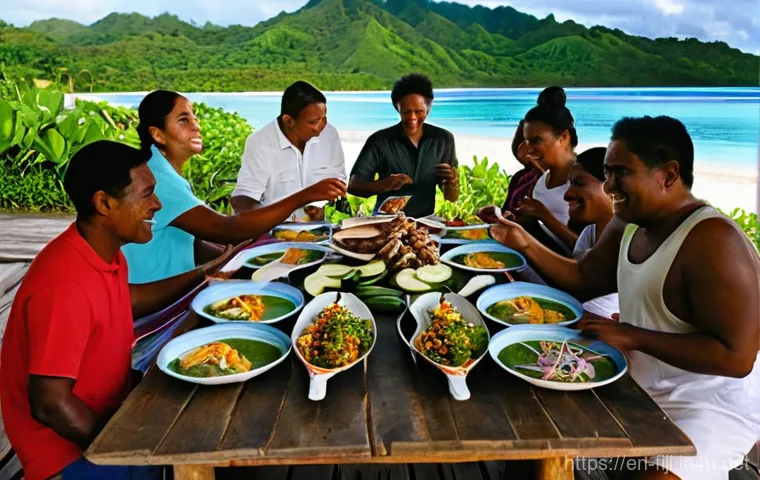
You know, for me, the traditional Fijian lovo isn’t just about the delicious food, although it is undeniably fantastic. It’s truly about the experience, the community, and the deep cultural significance that permeates every aspect of it. When I’ve had the privilege of attending a lovo, it felt less like a meal and more like a celebration of life, family, and heritage. Watching the villagers work together, sharing stories and laughter as they prepare the pit and the food, is an integral part of the magic. There’s a palpable sense of unity and shared purpose. The digging of the pit, the heating of the stones, the careful placement of the wrapped parcels, and then the long wait – it’s all part of a ritual that binds people together. When the food is finally unearthed, it’s not just a reveal of a meal, but a culmination of collective effort and tradition. Sitting down to eat, often on woven mats, sharing plates with newfound friends and locals, creates an atmosphere of warmth and genuine connection that transcends language barriers. It’s a powerful reminder that food, at its best, is a communal act, a way to forge bonds and create lasting memories. This isn’t just sustenance; it’s an immersion into the very soul of Fiji, leaving you nourished in mind, body, and spirit.
Communal Spirit and Shared Stories
The communal aspect of a lovo is what truly sets it apart. It’s a gathering where generations come together, sharing tasks and passing down knowledge. As a visitor, being invited to partake in a lovo is an incredible honor and a chance to truly connect with the local culture on a deeper level. I’ve spent hours chatting, laughing, and learning about Fijian life during these feasts. The food simply becomes a catalyst for human connection, a delicious backdrop to shared moments and stories that will stay with you long after your trip. It’s a beautiful illustration of ‘mana’ – the Fijian spirit of hospitality and goodwill.
A Taste of Heritage and Tradition
Every bite of a lovo-cooked meal feels like a taste of history. The method itself has been practiced for centuries, a testament to the ingenuity and resourcefulness of the Fijian people. Understanding the traditional techniques and the reverence with which they approach this culinary art adds so much more depth to the meal. It’s a living tradition that continues to thrive, adapting slightly with modern ingredients but retaining its core essence. Participating in a lovo is more than just eating; it’s an educational journey into the heart of Fijian heritage, a truly enriching experience that appeals to all your senses and gives you a genuine appreciation for their culture.
Bringing Fiji Home: Recreating Island BBQ in Your Own Backyard
Okay, so after experiencing the magic of Fijian BBQ, it’s only natural to want to bring a piece of that island paradise home with you. While a full-blown underground lovo pit might be a tad ambitious for most backyards (unless you’re feeling *really* adventurous!), you can absolutely capture those incredible flavors using a regular grill. My secret weapon? Fresh, fresh ingredients and those key Fijian marinade staples. Start with some good quality fish – snapper, mahi-mahi, or even salmon work beautifully. For the marinade, think ginger, garlic, spring onions, fresh lime juice, and yes, good quality canned coconut milk or cream if fresh isn’t an option. Mix it all up, let your fish or chicken soak for at least an hour (preferably more!), and then hit the grill. You want a good char on the outside but still juicy and flaky on the inside. Serve it with some roasted sweet potatoes or taro (you can find frozen taro in many Asian supermarkets now!) and a simple tomato and cucumber salad. It might not have the smoky depth of a true lovo, but it’ll definitely transport your taste buds straight back to those sun-drenched beaches. It’s about capturing the essence, the spirit, and those incredible fresh flavors, and I promise, your taste buds will thank you for the mini-vacation.
Mastering the Marinade Magic
The key to recreating that Fijian flavor at home really lies in perfecting the marinade. Don’t skimp on fresh ginger and garlic – they’re non-negotiable! I usually finely grate them to ensure maximum flavor infusion. For the coconut cream, using a full-fat version will give you that authentic richness and help tenderize the meat. And a crucial tip: a generous squeeze of fresh lime juice right before grilling brightens up all the flavors and adds that essential tropical tang. Experiment with ratios until you find your perfect balance, but always lean towards freshness and vibrancy. You’ll be amazed at how a few simple ingredients can elevate your backyard BBQ to a whole new level.
Grilling Techniques for Tropical Tastes
When grilling, aim for medium-high heat. For fish, you want a good sear to get that delicious char without overcooking the delicate flesh. Chicken pieces can be grilled until golden brown and cooked through, benefiting from a basting of extra marinade during the process. If you have a smoker, even a small amount of wood chips can add that subtle smoky undertone reminiscent of a lovo. Don’t overcrowd your grill; give each piece space to cook evenly and get that beautiful caramelization. Serve your grilled delights with a side of steamed taro or cassava and a fresh fruit salsa for a truly authentic Fijian feast experience right at home, making you feel like you’re still basking in that island warmth.
Wrapping Things Up
Well, friends, as we draw this delicious journey to a close, I hope you’ve felt the warmth of the Fijian sun and the irresistible aroma of their incredible BBQ through these words. For me, every bite of a perfectly grilled fish or a tender piece of lovo-cooked pork isn’t just a meal; it’s a moment, a memory, a connection to a culture brimming with hospitality and joy. It’s truly a feast for all your senses, one that nourishes not just your stomach, but your soul. So, next time you dream of an island escape, remember that the true heart of Fiji often lies in its food, cooked with love and shared with open arms. Don’t just eat; immerse yourself in the flavors and the stories they tell. I promise, it’s an experience you won’t soon forget, and one that will have you longing to return to those beautiful shores.
Useful Info for Your Fijian Food Adventure
Here are a few nuggets of wisdom I’ve picked up over my many trips that will surely enhance your culinary explorations in Fiji:
1. Embrace the Local Scene: Don’t be afraid to venture beyond your resort. The most authentic and often most delicious food can be found at roadside stalls, local markets, and small village eateries. Just follow the smells and the crowds of locals – they know where the good stuff is!
2. Ask the Experts (Locals!): Taxi drivers, shop owners, or even your resort staff are fantastic resources for finding hidden culinary gems. They’ll usually be thrilled to point you toward their personal favorites, giving you an insight into truly local spots.
3. Freshness is Key: In Fiji, “catch of the day” really means it. The closer you are to the source (the ocean or a local farm), the fresher and more vibrant your food will taste. This is especially true for seafood, which often needs minimal seasoning to shine.
4. Experience a Lovo: If you have the opportunity, absolutely partake in a traditional lovo feast. It’s more than just a meal; it’s a cultural event that offers a deep dive into Fijian traditions, community spirit, and incredible slow-cooked flavors. Many village tours and cultural centers offer this experience.
5. Spice it Up (or Not!): Fijian food isn’t typically overly spicy, but many dishes use fresh ginger, garlic, and chili for flavor. If you’re sensitive to heat, just ask! Most local cooks are happy to adjust. Always try ‘kokoda’ (Fijian ceviche) for a refreshing, zesty counterpoint to grilled meats.
Key Takeaways for Your Taste Buds
To really nail down the essence of Fijian BBQ, remember these core ideas. First, the incredible freshness of the ingredients, especially seafood, is non-negotiable and truly makes every dish sing. Second, the simplicity of the marinades, often relying on fresh ginger, garlic, lime, and coconut cream, allows the natural flavors to truly shine without being overpowered. Third, experiencing a traditional lovo is paramount; it’s a communal, cultural event that embodies the spirit of Fiji more than any restaurant meal ever could. Lastly, don’t hesitate to explore beyond the usual tourist spots – the real, authentic flavors and unforgettable connections are often found in the most humble of places, proving that the best food experiences are often the ones you stumble upon. So go forth, be adventurous, and let the incredible tastes of Fiji enchant you!
Frequently Asked Questions (FAQ) 📖
Q: What exactly is a Fijian ‘lovo’ and what makes it such an unforgettable experience?
A: This is where the magic truly begins, folks! A traditional Fijian ‘lovo’ isn’t just a BBQ; it’s an ancient, earth-oven cooking method that has been at the heart of Fijian celebrations for centuries.
Imagine this: a pit dug in the ground, hot stones layered within, then an incredible array of marinated meats – like succulent pork, chicken, and sometimes even fish – alongside root crops such as taro and cassava, all wrapped beautifully in banana or taro leaves.
These parcels are carefully placed on the hot stones, then covered with more leaves, dirt, and often hessian sacks to trap all the heat and smoke. It’s slow-cooked for hours, infusing everything with this unbelievably smoky, tender flavor that you simply can’t replicate anywhere else.
When they finally unearth it, the aroma alone is enough to make your mouth water! My first time witnessing a lovo being opened, the sheer anticipation and the communal spirit around it was just as impactful as the meal itself.
It’s a culinary ritual that connects you deeply to the island’s culture and heritage, making it an experience that truly stays with you long after the last bite.
Q: Beyond the ‘lovo,’ what other types of local BBQ should I absolutely try in Fiji, and how do I find the best spots?
A: While the lovo is a spiritual experience, don’t limit yourself! You’ll find incredible open-flame grilling, often done over coconut husks or wood, that brings a different kind of smoky char to seafood and marinated chicken.
I’ve personally had some amazing grilled snapper and prawns from roadside stalls and small beachside cafes that were just bursting with flavor. To find the best spots, my advice is always to talk to the locals!
Seriously, they are your best resource. Ask your resort staff, taxi drivers, or even shopkeepers where they eat. Look for places buzzing with Fijian families, especially on weekends – that’s usually a dead giveaway for authentic, delicious food.
Don’t be afraid to venture beyond the tourist hubs; sometimes the most humble-looking shacks serve up the most mind-blowing flavors. I once stumbled upon a tiny place near Sigatoka that served the most perfectly grilled Kokoda (Fijian ceviche) alongside their BBQ – totally unexpected and absolutely delicious!
Trust your nose and the crowd, and you’ll be golden.
Q: How can I best prepare myself to fully enjoy an authentic Fijian BBQ experience, culturally and culinarily?
A: This is a fantastic question, and preparation is key to soaking it all in! Culinarily, come hungry, but also come with an open mind. You’ll encounter unique root vegetables like taro, cassava, and yams, which are staples and absolutely delicious when cooked in the lovo.
Don’t be shy – try a little bit of everything! Texturally, they’re often quite starchy, absorbing all those incredible smoky flavors. Culturally, remember that a lovo is often a communal event, especially at villages or cultural shows.
It’s a wonderful opportunity to interact with Fijians, known for their incredible warmth and hospitality. If you’re invited to a village lovo, always dress respectfully (shoulders and knees covered for women) and participate with an open heart.
I found that simply showing genuine interest in their traditions and offering a friendly “Bula!” (hello) went a long way in making connections. Be present, enjoy the atmosphere, and let the food and company transport you.
It’s more than just a meal; it’s a celebration of life on the islands!