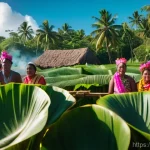
Hey there, fellow adventurers and curious minds! I’ve been absolutely captivated lately by the vibrant energy pulsing through the South Pacific, particularly when it comes to Fiji’s economic journey.
You know, that postcard-perfect island nation renowned for its breathtaking beaches and incredibly warm hospitality? Well, there’s so much more to this gem than meets the eye, especially as we navigate the economic landscape of 2025 and beyond.
It’s a truly fascinating blend of booming recovery, strategic foresight, and some very real challenges that are shaping its future. I mean, who wouldn’t be intrigued by how a nation so heavily reliant on tourism is not only bouncing back but actively building a more resilient and diversified future?
I’ve been diving deep into what’s driving their impressive rebound, the innovative paths they’re exploring for sustainable growth, and the crucial hurdles they’re working to overcome, from global economic shifts to the ever-present threat of climate change.
It’s a story of resilience, ambition, and the undeniable spirit of the Fijian people. If you’re anything like me, you’re probably eager to peel back the layers and understand the intricate dance between tradition and progress happening in this island paradise.
Below, we’re going to break down exactly what’s unfolding.
If you’re anything like me, you’re probably eager to peel back the layers and understand the intricate dance between tradition and progress happening in this island paradise.
Riding the Tourism Wave Back to Prosperity

The Incredible Resilience of Island Hospitality
Oh, let me tell you, if there’s one thing that truly defines Fiji’s economic comeback, it’s the sheer magnetic pull of its tourism sector. I mean, after the global slowdown, I genuinely wondered how quickly places like Fiji, so reliant on visitors, would bounce back.
But boy, did they surprise me! It feels like everyone I know is either planning a trip there or just got back raving about their experiences. The numbers don’t lie – visitor arrivals have been surging, practically roaring back to pre-pandemic levels, even surpassing them in some months.
It’s not just about the beautiful beaches and crystal-clear waters, though those are undeniably major draws. It’s the warmth, the genuine smiles, and the unwavering hospitality of the Fijian people that keep travelers coming back for more, creating an incredible ripple effect throughout the entire economy.
From the bustling markets in Nadi to the serene resorts on the Mamanuca Islands, you can feel the energy. Every booking, every meal enjoyed, every local craft purchased fuels countless livelihoods, supporting families and communities across the islands.
It’s a powerful testament to how essential tourism is, not just as an industry, but as a lifeline for so many. The resorts have been investing, upgrading, and innovating, offering new experiences that cater to a broader range of travelers, from eco-tourism adventures to luxurious wellness retreats.
It’s truly inspiring to witness this recovery firsthand, and it speaks volumes about the enduring appeal of Fiji.
Innovations Keeping the Guests Coming
What I’ve observed is that Fiji isn’t just relying on its natural beauty; they’re actively innovating to enhance the visitor experience and ensure sustainability.
We’re seeing a significant push towards eco-tourism, which, for me, is a huge win. Travelers, myself included, are increasingly conscious of their environmental footprint, and Fiji is responding with incredible initiatives.
Think sustainable resorts built with local materials, marine conservation projects that guests can participate in, and community-based tourism that directly benefits local villages.
This focus not only protects their pristine environment but also adds a rich, meaningful layer to the travel experience. Beyond that, the digital transformation in booking systems and personalized travel planning has made visiting Fiji smoother than ever.
I remember trying to plan a trip years ago and it was a bit more manual, but now, everything from flight and accommodation bookings to activity reservations can be done with such ease through various online platforms.
This accessibility is definitely a key factor in attracting a broader demographic of travelers, from adventure seekers to those looking for pure relaxation.
They’re not just selling a vacation; they’re selling an experience that resonates deeply with modern values and convenience, ensuring that Fiji remains a top-tier destination for years to come.
Beyond the Beaches: Charting New Economic Horizons
Cultivating Resilience Through Agriculture
While tourism often grabs the headlines, I’ve been utterly fascinated by Fiji’s steadfast commitment to diversifying its economy, especially through strengthening its agricultural sector.
It’s a smart move, really, considering the global push for food security and reducing reliance on imports. When I visited some of the local farms, I was genuinely impressed by the innovative practices being adopted.
Farmers are leveraging traditional knowledge alongside modern techniques to boost production of staples like taro, cassava, and kava, which is gaining immense popularity worldwide.
There’s a palpable sense of pride in cultivating their own food and even exporting it. This isn’t just about subsistence; it’s about creating new revenue streams and making the nation more self-sufficient, which is incredibly crucial for an island nation.
I’ve also noticed a significant increase in government and international aid programs aimed at supporting smallholder farmers, providing them with training, better seeds, and access to markets.
This support is vital for transforming agriculture from a traditional livelihood into a robust economic pillar, capable of weathering external shocks and truly enriching rural communities.
Unlocking the Ocean’s Potential: Fishing and Aquaculture
And let’s not forget the ocean – it’s not just for beautiful snorkeling and diving! Fiji’s exclusive economic zone is vast, and the sustainable management of its marine resources is becoming a major focus for economic growth.
The fishing industry, both artisanal and commercial, contributes significantly to the economy, providing food and income for countless families. What’s really exciting, though, is the growing emphasis on aquaculture.
I’ve seen some incredible projects focusing on prawn and finfish farming that are not only providing high-quality seafood for local consumption and export but also creating much-needed employment opportunities in rural coastal areas.
This shift towards controlled farming practices helps alleviate pressure on wild fish stocks, promoting environmental sustainability while still meeting demand.
The Fijian government, in partnership with various international organizations, is actively investing in research and development to ensure these aquaculture ventures are environmentally sound and economically viable.
It’s a testament to their foresight – understanding that a healthy ocean isn’t just a tourist attraction but a crucial resource for long-term prosperity.
I believe that tapping into this blue economy responsibly offers immense potential for Fiji’s future.
Navigating Global Currents: Challenges on the Horizon
The Ever-Present Threat of Climate Change
Okay, let’s get real for a moment. As much as I adore Fiji and its incredible spirit, we can’t ignore the elephant in the room: climate change. It’s a challenge that looms large over every aspect of life and economics in this island nation.
I’ve spoken with locals who’ve witnessed coastal erosion first-hand, seen the increasing intensity of tropical cyclones, and felt the impact of unpredictable weather patterns on their crops and livelihoods.
It’s truly heartbreaking to hear their stories and understand the daily struggle. Rising sea levels aren’t just a distant scientific projection here; they’re a tangible threat to homes, infrastructure, and vital agricultural land.
The economic costs of preparing for and recovering from climate-related disasters are immense, diverting resources that could otherwise be used for development.
It’s a constant battle, and Fiji, despite contributing minimally to global emissions, is on the front lines, bearing the brunt of it. This isn’t just about environmental policy; it’s about economic survival and the very future of their culture and way of life.
The global community absolutely needs to step up and support these vulnerable nations with significant climate financing and adaptation strategies.
Global Economic Headwinds and Their Local Impact
Beyond the environmental challenges, Fiji is also intimately connected to the broader global economy, which means they’re not immune to international shocks.
I’ve noticed how fluctuations in major economies, like those of Australia, New Zealand, and North America – their primary tourist markets – can directly impact visitor numbers and investment flows.
Inflationary pressures on imported goods, for example, can significantly drive up living costs for Fijians and impact the profitability of local businesses.
Then there’s the ongoing dance of global supply chains; disruptions can delay essential imports or make them more expensive, affecting everything from construction projects to food availability.
While Fiji has shown incredible resilience, especially in bouncing back from recent crises, these external economic headwinds are a constant consideration for policymakers and businesses alike.
They’re constantly working to build a more robust and self-reliant economy, but the interconnectedness of our world means that vigilance and strategic planning are always necessary.
It’s a delicate balance, and I really admire their ongoing efforts to adapt and thrive amidst these larger forces.
The Heart of the Economy: How Local Businesses Thrive
Empowering Small and Medium Enterprises (SMEs)
One of the most inspiring aspects of Fiji’s economic landscape, to me, is the vibrant ecosystem of Small and Medium Enterprises (SMEs). These aren’t just small shops or local restaurants; they are the true backbone of the economy, representing the entrepreneurial spirit of the Fijian people.
I’ve had the pleasure of visiting countless local businesses, from artisans crafting beautiful traditional masi cloth to small-scale tour operators offering unique cultural experiences, and the passion behind their work is just infectious.
Government initiatives and non-profit organizations have been instrumental in providing support, offering business training, microfinance loans, and access to new markets.
This empowerment allows local entrepreneurs to not only sustain their families but also to innovate and create new job opportunities within their communities.
I’ve personally seen how a small grant or a business development workshop can transform a budding idea into a thriving enterprise, truly making a tangible difference in people’s lives.
It’s a beautiful cycle of growth where local success stories inspire others, strengthening the entire economic fabric.
Digital Transformation for Local Growth
And speaking of innovation, it’s not just the big players who are embracing the digital age. I’ve been absolutely thrilled to see how local businesses, even in remote areas, are leveraging technology to expand their reach.
From small craft sellers using social media platforms to showcase their wares to guesthouse owners managing bookings through online platforms, digital transformation is democratizing access to markets.
The expansion of internet connectivity, though still a work in progress in some very remote islands, is slowly but surely opening up new avenues for growth.
It means that a small family business can now reach customers not just in Nadi but potentially across the globe. This shift is incredibly powerful, offering efficiency, broader visibility, and new ways to engage with customers.
It’s not just about e-commerce; it’s about digital marketing, streamlined operations, and creating a more interconnected business environment. Witnessing this leap in digital adoption firsthand makes me so hopeful for the future of these local enterprises and the broader Fijian economy, contributing to overall national prosperity.
Green Growth: Fiji’s Sustainable Future

Investing in Renewable Energy Solutions
When we talk about sustainable development in Fiji, one of the areas that truly excites me is their commitment to renewable energy. I mean, who wouldn’t want to see a nation powered by its own abundant natural resources?
Fiji has incredible potential for hydro, solar, and even geothermal energy, and they’re actively investing in tapping into these sources. I’ve seen some impressive solar farm installations and heard about plans for expanding hydropower capacity, which is a game-changer.
Reducing reliance on imported fossil fuels isn’t just good for the environment; it makes sound economic sense. It means more stable energy costs, improved energy security, and a cleaner footprint overall.
This shift also attracts international investment and partnerships focused on green technology, bringing in expertise and capital. It’s a win-win situation, really, positioning Fiji as a leader in sustainable energy practices within the Pacific region.
This focus on clean energy not only lights up homes and businesses but also brightens the economic outlook by fostering a more resilient and environmentally conscious infrastructure.
Protecting Paradise: Conservation and Eco-Tourism
And hand-in-hand with renewable energy is the deep-seated commitment to environmental conservation, which is intrinsically linked to Fiji’s economic health.
The concept of eco-tourism isn’t just a buzzword here; it’s a way of life and a vital economic strategy. I’ve personally participated in marine conservation efforts during my visits, planting coral and learning about mangrove restoration projects, and the dedication of the local communities is truly inspiring.
Protecting their vibrant coral reefs, lush rainforests, and unique biodiversity isn’t just about preserving natural beauty; it’s about safeguarding the very assets that attract millions of tourists and support local livelihoods.
Initiatives like protected marine areas, sustainable fishing practices, and community-led conservation programs are crucial. They create opportunities for local employment, educate visitors, and ensure that Fiji’s natural wonders remain intact for future generations.
This focus on conservation also allows Fiji to command a premium in the eco-tourism market, attracting travelers who value responsible travel and are willing to pay for authentic, sustainable experiences.
It’s a beautiful synergy between preserving their heritage and building a prosperous future.
| Key Economic Sector | Primary Growth Drivers (2025 Outlook) | Anticipated Contribution & Outlook |
|---|---|---|
| Tourism & Hospitality | Increased international visitor arrivals, strategic marketing, eco-tourism development, infrastructure upgrades, luxury offerings | Strongest sector recovery, expected to exceed pre-pandemic levels, vital for foreign exchange and employment. High growth. |
| Agriculture & Rural Development | Food security initiatives, export market expansion (kava, fresh produce), modern farming techniques, rural community empowerment | Steady, sustained growth; reduces import dependency and provides stable income for rural populations. Moderate but crucial growth. |
| Fisheries & Aquaculture | Sustainable marine resource management, expansion of prawn and finfish farming, export diversification, local consumption | Growing importance with focus on sustainable practices and value-added products. Good growth potential in aquaculture. |
| Renewable Energy | Hydropower expansion, solar farm investments, geothermal exploration, reduced reliance on fossil fuels | Emerging high-growth sector, critical for energy security, cost stability, and climate goals. Strong future growth. |
| Small & Medium Enterprises (SMEs) | Government support programs, microfinance access, digital adoption, local innovation, job creation | Significant growth in numbers and economic impact, driving local employment and economic diversification. Robust growth. |
| Digital Economy & ICT | Expanding internet connectivity, tech startup ecosystem, digital skills training, e-commerce, remote work opportunities | Rapidly growing sector, foundational for modernizing other industries and attracting new talent. High growth potential. |
A Closer Look at Investment Opportunities
Attracting Foreign Direct Investment (FDI)
For any developing economy aiming for robust growth, attracting foreign direct investment (FDI) is absolutely critical, and Fiji is no exception. I’ve been watching closely how the government has been actively working to create a more attractive environment for international investors.
We’re talking about streamlining business registration processes, offering incentives in key growth sectors, and ensuring a stable regulatory framework that offers predictability.
When I spoke with some business owners who have invested there, they highlighted the potential in areas like tourism infrastructure, renewable energy projects, and even specialized agriculture that caters to niche markets.
There’s a clear effort to move beyond just beach resorts and encourage investment in sectors that contribute to long-term diversification and value addition.
It’s about building trust and demonstrating that Fiji is not just a beautiful place to visit, but a serious place to do business with attractive returns.
This flow of capital isn’t just about big corporations; it often trickles down, creating jobs, transferring skills, and boosting local supply chains, making a tangible difference to everyday Fijians.
It’s truly exciting to see the proactive steps being taken to open doors for new partnerships and growth opportunities.
Key Sectors for Future Growth
So, if you’re wondering where the real action is for future growth, I’d say keep an eye on a few key sectors that are truly buzzing. Beyond the obvious in tourism and traditional agriculture, I’ve seen significant potential emerging in the digital economy – think IT services, tech startups, and digital content creation that caters to a global audience.
There’s also a burgeoning interest in value-added manufacturing, where Fiji’s raw materials are processed locally to create higher-value products for export, rather than just shipping them raw.
The healthcare sector is also seeing some strategic investment, aiming to improve local services and potentially attract medical tourism in the long run, leveraging Fiji’s natural healing environment.
Of course, infrastructure development remains a constant need and an attractive area for investment, with ongoing projects in roads, ports, and utilities that improve connectivity and efficiency across the islands.
These are the areas where Fiji is not only building on its existing strengths but also boldly venturing into new territories, creating a more resilient and dynamic economy that promises a brighter future.
The Digital Leap: Embracing Innovation
Connecting the Islands: Expanding Connectivity
In today’s interconnected world, I truly believe that robust digital infrastructure is the unsung hero of economic development, and Fiji is making significant strides in this area.
It’s not just about having internet; it’s about reliable, high-speed connectivity that can reach even the most remote islands, truly bridging the geographical gaps.
I’ve noticed the continuous efforts to expand fiber optic networks and improve mobile broadband access, which is absolutely vital for bridging the digital divide and ensuring equitable access.
This isn’t just for checking emails or scrolling through social media; it’s fundamental for education, allowing students access to online resources; for healthcare, enabling tele-health consultations; and for empowering local businesses to reach broader markets.
The challenges are real, given the geographical spread of the islands and the sometimes rugged terrain, but the commitment to bringing digital access to more Fijians is clear.
It’s about creating an equitable playing field and ensuring that everyone has the tools to participate in the modern economy, truly connecting the nation in new and powerful ways.
Fostering a Thriving Tech Ecosystem
What’s even more exciting is the gradual but definite emergence of a tech ecosystem in Fiji. It’s not Silicon Valley, of course, but there’s a growing buzz around local startups and innovation hubs that are tackling unique island challenges.
I’ve heard about initiatives to support young entrepreneurs in developing tech solutions for local challenges, from agricultural efficiency apps that help farmers optimize yields to platforms for promoting sustainable tourism that connect travelers with eco-friendly experiences.
These aren’t just abstract ideas; they’re practical applications that can have a real impact on people’s lives and the economy. The government and educational institutions are increasingly recognizing the importance of digital skills training, preparing the next generation for jobs in a rapidly evolving technological landscape.
This focus on fostering innovation and building local tech capabilities is crucial for future economic diversification and competitiveness. It’s about empowering a new generation to create their own opportunities and position Fiji not just as a consumer of technology, but as a vibrant contributor to the global digital economy.
I really believe this is where some of the most exciting future growth will come from.
Wrapping Things Up
Wow, what an incredible journey we’ve just taken through Fiji’s economic landscape! It’s truly been eye-opening, hasn’t it? From the vibrant pulse of its recovering tourism sector to the quiet strength of its agricultural innovations and the ambitious strides towards a greener future, Fiji is definitely a nation that’s not just dreaming big, but actively building a more resilient and prosperous tomorrow. I always feel so invigorated by the spirit of the Fijian people – their unwavering determination to overcome challenges, whether it’s global economic shifts or the very real impacts of climate change, is nothing short of inspiring. It really puts things into perspective about what true resilience looks like. Being able to dive into these details has given me an even deeper appreciation for this island paradise, and honestly, it makes me want to pack my bags and experience it all again, supporting their incredible efforts firsthand. The future certainly looks bright, brimming with potential and fueled by a powerful commitment to sustainable growth for all.
Handy Tips & What to Keep in Mind
1. If you’re planning a trip to Fiji, or even considering future ventures, really lean into understanding the local economy. Supporting small and medium-sized enterprises (SMEs) isn’t just a feel-good activity; it’s a direct way to contribute to the nation’s economic diversification and growth. I’ve found that buying local crafts, dining at family-run restaurants, or choosing community-based tours offers such authentic experiences and ensures your money directly benefits the people and communities who truly need it. It’s a wonderful feeling to know your travel choices are making a tangible difference, strengthening the local fabric beyond just the big resorts. This kind of conscious consumerism helps foster sustainable livelihoods and empowers local entrepreneurs to thrive, reflecting the nation’s efforts to spread prosperity beyond traditional tourist hubs.
2. Keep an eye on Fiji’s incredible push towards renewable energy and sustainable practices. This isn’t just about environmental protection; it’s a smart economic strategy reducing reliance on imported fossil fuels and attracting green investments. As a visitor, choosing eco-friendly resorts or participating in conservation activities, like coral planting, can significantly amplify these efforts. It’s genuinely inspiring to see a nation so vulnerable to climate change leading the charge in developing clean energy solutions and integrating climate resilience into its development plans. Your awareness and support for these initiatives can make a difference, reinforcing Fiji’s commitment to a cleaner, more sustainable future for both its people and its pristine environment.
3. Remember that Fiji, like many island nations, is at the forefront of climate change impacts. Understanding this reality adds a crucial layer to your perspective, whether you’re traveling or looking at investment. The economic costs of climate change are substantial, and the Fijian government is actively implementing adaptation strategies, including unique initiatives like the Climate Relocation of Communities (CROC) Trust Fund. Being informed about these challenges allows you to appreciate the resilience of the Fijian people even more and encourages a deeper sense of responsible engagement, highlighting the global urgency to support vulnerable nations in their climate resilience efforts. It’s a complex issue, but one that the Fijians tackle with remarkable fortitude.
4. For those with an investment mindset, Fiji presents some compelling, albeit unique, opportunities. Beyond the well-established tourism sector, there’s significant potential in areas like sustainable agriculture, aquaculture, and particularly in the burgeoning digital economy and renewable energy. The government is working to streamline processes and attract foreign direct investment, especially in sectors that contribute to long-term diversification. While there might be some bureaucratic hurdles, as with any developing market, the strategic location and the commitment to green growth make it an interesting prospect. Always do your due diligence, but definitely explore the specialized financing packages for sustainable development projects that are actively being promoted.
5. Embrace the incredible hospitality and cultural richness of the Fijian people. Their “Bula!” spirit is legendary for a reason, and it’s deeply interwoven with their economic resilience. A significant portion of the workforce is directly supported by tourism, and their warmth and genuine connection create an unforgettable experience that keeps visitors coming back. Engaging respectfully with local customs, learning a few Fijian phrases, and appreciating their rich heritage not only enriches your personal experience but also acknowledges the human element behind the economic numbers. It’s this beautiful blend of culture and resilience that truly sets Fiji apart, making every visit a journey of discovery and connection.
Key Takeaways to Remember
Fiji’s economy is experiencing a robust recovery, largely fueled by a surging tourism sector that has not only bounced back but is actively diversifying its market reach and embracing sustainable practices. Beyond the beaches, there’s a concerted effort towards economic diversification through strengthened agriculture, expanding aquaculture, and a growing digital economy. The nation is strategically attracting foreign direct investment into these key growth areas, while continuously improving its digital infrastructure. However, significant challenges remain, primarily the ever-present threat of climate change and external economic headwinds, which necessitate ongoing global support and innovative adaptation strategies. Overall, Fiji stands out for its remarkable resilience, proactive approach to sustainable development, and the indomitable spirit of its people, all of which position it as an economic leader in the South Pacific with a promising, albeit carefully managed, future.
Frequently Asked Questions (FAQ) 📖
Q: How is Fiji’s economy really doing after the global disruptions, especially looking towards 2025 and beyond?
A: Oh, my goodness, what a ride it’s been for Fiji! Like many nations, they felt the pinch, particularly with tourism taking a massive hit. But let me tell you, their comeback story is genuinely inspiring.
We’re seeing some pretty robust economic growth, with the Fijian economy expanding by an impressive 8.2% in 2023. That’s not just a small bounce; it’s a confident leap forward!
The Asian Development Bank even projected a solid 3.5% growth for 2024 and 3.2% for 2025. From my perspective, having watched economies ebb and flow, this indicates not just a recovery but a building of momentum.
The tourism sector, which is the absolute heartbeat of their economy, has seen an incredible resurgence, almost hitting pre-pandemic levels. I remember chatting with a local artisan on my last trip there, and she told me how much the return of visitors meant to her family’s livelihood.
It’s not just numbers; it’s real people and real impacts. They’re definitely on a positive trajectory, fueled by strong tourism arrivals and smart government policies aimed at stability and growth.
Q: Beyond those stunning resorts and friendly faces, what’s Fiji doing to build a more diversified and sustainable economy?
A: That’s a fantastic question, and one I find incredibly important! While tourism is undeniably Fiji’s star player, they’re not putting all their eggs in one basket, which I think is super smart.
The government and local businesses are actively pushing for diversification, focusing on sectors like agriculture, fisheries, and even exploring opportunities in renewable energy and IT.
For instance, there’s a real drive to enhance agricultural productivity, not just for local consumption but for exports too. Imagine fresh Fijian produce gracing tables around the world!
I’ve personally seen efforts to support local farmers, providing them with resources to grow unique crops. They’re also looking into sustainable forestry and marine resources management, which makes perfect sense given their natural abundance.
It’s all about creating resilience, so if one sector faces a setback, the others can help cushion the blow. This forward-thinking approach, in my opinion, is crucial for long-term stability and creating diverse job opportunities for the younger generation.
Q: What are the biggest challenges Fiji faces in maintaining this positive economic momentum, especially in the long run?
A: Ah, the flip side of the coin – every journey has its hurdles, right? For Fiji, despite its impressive recovery, there are some significant challenges that loom large.
The most pressing, in my view, is the impact of climate change. Being a small island developing state, Fiji is incredibly vulnerable to rising sea levels, more intense cyclones, and changing weather patterns, which can devastate infrastructure, agricultural land, and of course, the very tourism assets that drive their economy.
I’ve heard countless stories from locals about coastal erosion and the unpredictable nature of the seasons now. Beyond that, global economic shifts, like fluctuating commodity prices and potential slowdowns in major trading partners, can also ripple through their economy.
There’s also the ongoing task of building robust infrastructure and addressing issues like high public debt, although recent efforts have shown improvements in fiscal management.
It’s a constant balancing act, but with the resilience and ingenuity I’ve witnessed from the Fijian people, I’m optimistic they’ll continue to navigate these challenges with determination.