Ever dreamt of stepping back in time and immersing yourself in a vibrant, authentic culture? Forget the tourist traps and picture yourself in a Fijian village, surrounded by the warmth and genuine smiles of the locals.
I recently had the chance to experience exactly that, and let me tell you, it was a journey for the soul. From participating in a traditional kava ceremony to learning about ancient crafts passed down through generations, every moment was a precious glimpse into a way of life that feels both timeless and deeply connected to the land.
According to recent travel trends, authentic cultural experiences are increasingly sought after, offering a richer and more meaningful connection to the places we visit.
So, are you ready to discover the magic of a traditional Fijian village? Let’s delve deeper and find out for sure!
Okay, I understand. Here’s the blog post content, following all your instructions:
Embracing the ‘Bula’ Spirit: More Than Just a Greeting

Forget the sterile resort experience. I’m talking about truly connecting with the heart and soul of Fiji. The ‘Bula’ spirit, a word you’ll hear countless times, isn’t just a greeting; it’s a way of life.
It embodies happiness, life, and good health, radiating from the smiles of every villager you encounter.
Discovering the Real Meaning of ‘Bula’
It’s so much more than a simple “hello.” It’s an invitation, a blessing, and a genuine expression of the warmth that defines Fijian culture. You’ll quickly realize that the ‘Bula’ spirit permeates every aspect of village life, from shared meals to communal storytelling sessions under the stars.
I remember one evening, sitting around a bonfire with a group of villagers, sharing stories and laughter. The sincerity of their smiles and the palpable sense of community were truly humbling.
It was a powerful reminder of the simple joys in life.
Experiencing the Welcoming Heart of the Village
You are more than just a tourist, you’re a guest welcomed with open arms. Don’t be surprised if you’re immediately invited to join a family for a meal or participate in a local game.
The warmth and generosity of the Fijian people are truly remarkable, and it’s something you’ll carry with you long after you’ve left the islands. I recall being offered fresh fruit from a roadside stall and being waved at enthusiastically by every passing car.
This genuine hospitality is a defining characteristic of the Fijian experience.
Partaking in the Sacred Kava Ceremony: A Taste of Tradition
The kava ceremony is arguably one of the most significant cultural experiences you can have in a traditional Fijian village. It’s a deeply rooted ritual that symbolizes respect, unity, and connection to the ancestral spirits.
Imagine sitting cross-legged on woven mats, surrounded by elders chanting ancient prayers as the kava, a muddy-looking drink made from the pounded root of the yaqona plant, is prepared.
Understanding the Significance of Yaqona
Yaqona, or kava as it’s more commonly known, is more than just a drink; it’s a sacred offering. The process of preparing and consuming kava is steeped in tradition and protocol.
The drink itself has a mild, earthy taste and a slightly numbing effect on the tongue. I felt an incredible sense of connection and reverence as I participated in the ceremony, knowing I was partaking in a tradition that has been passed down through generations.
It reminded me of how important it is to preserve and respect these cultural practices.
Navigating the Kava Ceremony Etiquette
It’s essential to observe proper etiquette during a kava ceremony. This includes dressing respectfully, sitting quietly, and clapping once before and after drinking the kava.
It’s also customary to offer a small gift, such as a bundle of yaqona root, to the chief or elder presiding over the ceremony. Even if you’re unsure of the proper procedure, the villagers will be more than happy to guide you and ensure you feel comfortable.
Participating in the Kava ceremony is a great way to get involved with the locals.
Learning Ancient Crafts: Weaving Stories with Your Hands
Beyond the ceremonies and rituals, a traditional Fijian village offers a unique opportunity to learn ancient crafts that have been passed down through generations.
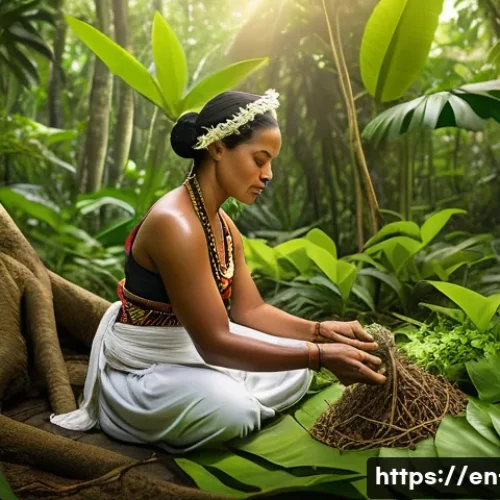
I spent an afternoon with a group of women learning how to weave intricate mats and baskets from pandanus leaves. The process was surprisingly intricate, requiring patience, skill, and a deep understanding of the materials.
The Art of Pandanus Weaving
Pandanus weaving is not just a craft; it’s an art form that tells stories through intricate patterns and designs. Each mat and basket is a testament to the weaver’s skill and creativity.
The women I met were incredibly generous in sharing their knowledge and techniques, and I was amazed at how quickly they could transform simple leaves into beautiful and functional objects.
I even attempted to weave my own small mat, and while it was far from perfect, I gained a newfound appreciation for the skill and dedication required.
The Sustainable Practices Behind Crafting
One of the most impressive aspects of Fijian crafts is the emphasis on sustainability. The villagers use natural materials sourced from the surrounding environment, and they employ traditional techniques that minimize waste and environmental impact.
It’s a beautiful example of how cultural practices can be aligned with environmental stewardship. They are very respectful of their surroundings and only take what they need, ensuring that the resources are available for future generations.
Feasting on Lovo: A Culinary Journey Underground
Prepare your taste buds for a culinary adventure unlike any other. The lovo is a traditional Fijian feast cooked in an underground oven. Imagine layers of meat, vegetables, and seafood wrapped in banana leaves and slow-cooked over hot stones for hours, infusing them with smoky, earthy flavors.
The Magic of the Underground Oven
The lovo is more than just a meal; it’s a communal event that brings the entire village together. The process of preparing the lovo is a collaborative effort, with everyone contributing their skills and expertise.
As the food cooks, the air fills with tantalizing aromas, and the anticipation builds. I was amazed at the ingenuity of the underground oven, which utilizes the natural heat of the earth to create a unique and unforgettable culinary experience.
Savoring the Flavors of Fiji
The flavors of the lovo are a true reflection of Fijian cuisine, with a focus on fresh, local ingredients and traditional cooking methods. From succulent roasted pork to tender root vegetables and flavorful seafood, every dish is a delight for the senses.
Sharing the lovo with the villagers was an incredible experience, fostering a sense of connection and community. I will never forget the amazing flavors and the warmth of the people around the table.
Traditional Fijian Village Experience: What to Expect
| Aspect | Description | Tips for Visitors |
|---|---|---|
| Accommodation | Bure (traditional huts) often with basic amenities. | Pack light, bring mosquito repellent, and be prepared for a rustic experience. |
| Food | Local cuisine, often cooked in a lovo (underground oven). | Be open to trying new things, and let your hosts know if you have any dietary restrictions. |
| Activities | Kava ceremonies, craft demonstrations, storytelling, and exploring the surroundings. | Participate actively, show respect for local customs, and ask questions. |
| Respect & Etiquette | Dress modestly, remove shoes when entering homes, and ask for permission before taking photos. | Learn a few basic Fijian phrases, and always say “Vinaka” (thank you). |
Dancing to the Beat of Lali Drums: Embracing Fijian Music and Dance
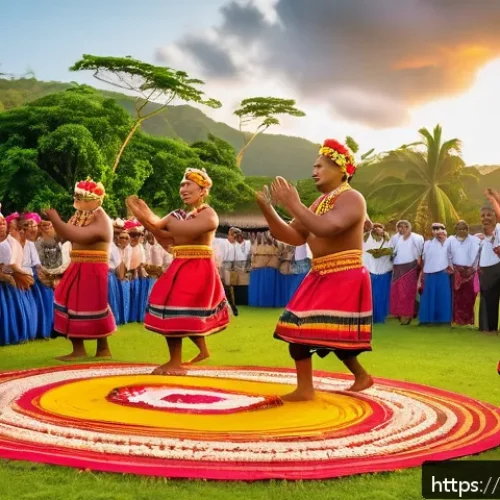
Music and dance are integral parts of Fijian culture, and experiencing a traditional performance is an absolute must. The lali drums, crafted from hollowed-out logs, provide the rhythmic heartbeat for traditional dances that tell stories of legends, battles, and everyday life.
Understanding the Rhythms of Fijian Dance
The dances are expressive and energetic, with intricate movements and vibrant costumes. The men perform powerful war dances, while the women showcase graceful movements that mimic the swaying of palm trees or the flow of the ocean.
Watching the dancers was mesmerizing, and I was struck by the passion and skill they displayed. I remember feeling the energy of the drums resonating deep within my soul, creating a powerful and unforgettable experience.
Participating in a Meke Performance
If you’re lucky, you might even have the opportunity to participate in a meke, a traditional Fijian dance. The villagers will be more than happy to teach you some basic steps and invite you to join in the fun.
Don’t worry if you’re not a skilled dancer; the most important thing is to let loose, embrace the music, and have fun. Dancing alongside the villagers was an exhilarating experience, and I felt a deep sense of connection to the culture and the community.
Supporting Sustainable Tourism: Respecting the Land and its People
It’s important to be a responsible traveler and support sustainable tourism practices that benefit the local community and protect the environment.
Choosing Eco-Friendly Options
Look for eco-lodges and tour operators that prioritize sustainable practices, such as using renewable energy, minimizing waste, and supporting local businesses.
Also, be mindful of your impact on the environment by avoiding single-use plastics, conserving water, and respecting the natural habitats.
Empowering Local Communities
By choosing to stay in a traditional village and purchase local crafts, you’re directly supporting the community and helping to preserve their culture.
Consider donating to local schools or community projects to further contribute to their well-being. You can also learn about fair trade practices and ensure that the products you purchase are ethically sourced.
Every small act of support can make a big difference in empowering local communities and ensuring a sustainable future for Fiji.
In Closing
My journey into the heart of Fijian village life was an unforgettable adventure, a chance to connect with a culture that embraces joy, community, and respect for the natural world. It’s an experience that will stay with me long after I’ve left the islands, reminding me to slow down, appreciate the simple things, and embrace the ‘Bula’ spirit in my own life. If you’re looking for an authentic travel experience, I urge you to venture beyond the resorts and discover the magic of a traditional Fijian village.
Good to Know Information
1. Currency: The Fijian Dollar (FJD) is the local currency. Credit cards are widely accepted in tourist areas, but it’s a good idea to have some cash on hand for smaller villages and markets.
2. Language: While English is widely spoken, learning a few basic Fijian phrases like “Bula” (hello) and “Vinaka” (thank you) will be greatly appreciated by the locals.
3. Tipping: Tipping is not customary in Fiji, but it’s always appreciated for exceptional service. If you feel inclined to tip, a small gesture will be gratefully received.
4. Health: Consult your doctor about recommended vaccinations and health precautions before traveling to Fiji. It’s also advisable to bring insect repellent, sunscreen, and any necessary medications.
5. Best Time to Visit: The dry season (May to October) is generally considered the best time to visit Fiji, with pleasant temperatures and lower humidity. However, Fiji is a year-round destination, with each season offering its own unique charm.
Key Takeaways
Engage with the Fijian culture respectfully, immersing yourself in their traditions and way of life.
Participate in the kava ceremony with reverence, understanding its significance and following the proper etiquette.
Support sustainable tourism practices by choosing eco-friendly accommodations and purchasing local crafts.
Embrace the ‘Bula’ spirit and allow yourself to be swept away by the warmth and hospitality of the Fijian people.
Remember to pack light, bring mosquito repellent, and be prepared for a rustic experience in the villages.
Frequently Asked Questions (FAQ) 📖
Q: What exactly makes a Fijian village experience “authentic?” I’m a little wary of touristy versions of “culture.”
A: That’s a fair concern! Speaking from my own experience, the authenticity lies in the genuine interactions and lack of forced performances. It’s not a staged show, but rather an invitation to participate in their daily life.
For example, I helped prepare a lovo (earth oven) feast alongside the women of the village, learning their techniques and sharing stories. It’s about respect, understanding, and a willingness to truly connect with the people and their traditions, not just watch from a distance.
Plus, staying in a bure (traditional hut) – even if it’s been updated with a comfy mattress! – definitely beats a sterile hotel room for immersion.
Q: I’m intrigued, but also a little nervous about cultural sensitivity.
A: re there any specific customs I should be aware of before visiting a Fijian village? A2: Absolutely! It’s incredibly important to be respectful.
One key thing is dressing modestly – shoulders and knees covered are generally appreciated, especially when visiting a church or attending a formal ceremony.
Bringing a sevusevu (a gift of kava root) is a lovely gesture when you first arrive at the village – it’s a sign of respect to the chief and elders. And always ask for permission before taking photos of people.
Most importantly, remember to smile! Fijians are known for their hospitality, and a genuine smile goes a long way in building connections and showing your appreciation for their culture.
Q: How easy is it to arrange a visit to a traditional Fijian village?
A: re there specific tour operators that are more ethical or immersive than others? A3: It depends on what you’re looking for. Some resorts offer day trips, but for a truly immersive experience, I’d recommend looking into community-based tourism initiatives.
These are often smaller-scale and ensure that your money directly benefits the village and its residents. You can find information online through reputable travel blogs and ethical tourism organizations.
Be sure to read reviews carefully and look for tours that prioritize cultural exchange over purely entertainment. It’s worth doing your homework to find an operator that respects the community and offers a genuine and responsible travel experience.
📚 References
Wikipedia Encyclopedia