Fiji’s traditional healing practices offer a fascinating glimpse into a culture deeply connected to nature and spirituality. Rooted in centuries-old knowledge, these methods blend herbal remedies, massage, and ritual to restore balance and wellness.
Unlike modern medicine, Fijian healing emphasizes harmony between body, mind, and the environment. Exploring these ancient techniques reveals not only unique health solutions but also rich cultural values.
If you’re curious about how these traditions have stood the test of time and continue to thrive today, let’s dive into the details ahead. Get ready to discover the secrets behind Fiji’s time-honored healing arts!
Nature’s Pharmacy: The Power of Fijian Herbal Remedies
Healing Plants Rooted in Tradition
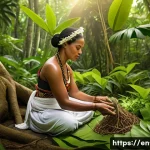
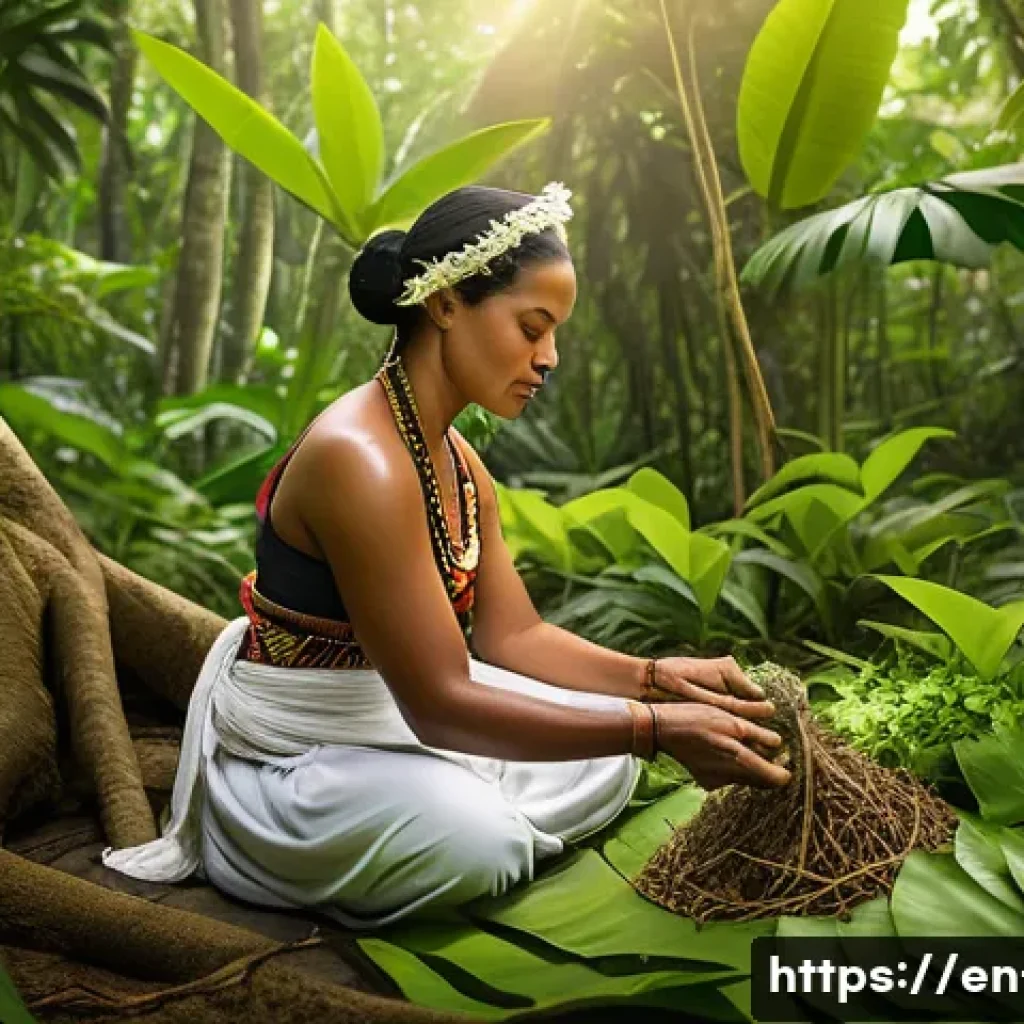
Fijian healers have long relied on the abundant flora of their islands to craft remedies that soothe a wide array of ailments. From the bitter leaves of the yaqona plant, known for its calming effects, to the fragrant oils extracted from native herbs, these natural elements form the backbone of traditional medicine.
What’s fascinating is how these remedies aren’t just about treating symptoms—they aim to restore harmony within the body and between the individual and their environment.
I remember chatting with a local healer who showed me how a simple poultice made from crushed leaves could ease muscle pain almost instantly, a technique passed down through generations.
Preparation and Application: More Than Just Medicine
The process of preparing these herbal treatments is itself a ritual steeped in respect and mindfulness. Healers carefully gather plants at specific times, often guided by lunar cycles or spiritual intuition, to maximize their potency.
The preparation might involve drying, boiling, or grinding, each step done with deliberate care. When applied, whether as a tea, ointment, or steam, the treatment becomes a moment of connection—not just physical healing but emotional and spiritual renewal.
This approach feels deeply holistic, something I found missing in many modern therapies I’ve tried.
The Role of the Community in Herbal Healing
Traditional herbal medicine in Fiji is rarely a solitary practice. The community plays an essential role in sharing knowledge and supporting those who seek healing.
Elders pass down their wisdom orally, weaving stories and cultural values into the instructions for each remedy. This collective memory ensures the survival of the practices and creates a strong sense of belonging and continuity.
I witnessed a village gathering where everyone contributed plants, prepared remedies together, and shared experiences—an embodiment of healing as a communal journey.
Hands That Mend: The Art and Science of Fijian Massage
Techniques Passed Through Generations
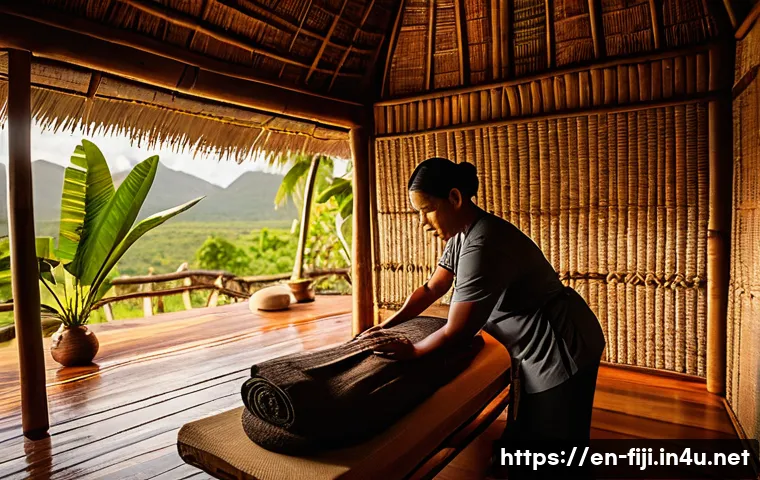
Fijian massage, or vakamalolo, is much more than just a physical treatment—it’s a deeply ingrained tradition that combines skill, intuition, and cultural heritage.
The strokes are often rhythmic and firm, designed to stimulate circulation and release tension while promoting relaxation. What struck me was how the practitioners seemed to “read” the body’s needs intuitively, adjusting pressure and technique on the fly.
This ability comes from years of apprenticeship and a profound understanding of anatomy intertwined with spiritual awareness.
Massage as a Spiritual Experience
Unlike typical spa treatments, Fijian massage often includes elements of prayer and ritual, invoking ancestral blessings to enhance the healing power.
The practice acknowledges that physical pain is often linked to emotional or spiritual imbalances, so the massage session becomes a holistic encounter.
I had the chance to experience this firsthand, and I can attest that the blend of physical touch and spiritual intention created a calming effect I hadn’t encountered before.
It was like the massage was addressing something invisible as much as the muscles themselves.
Incorporating Local Oils and Natural Elements
A key part of the massage experience involves the use of oils extracted from indigenous plants. These oils not only lubricate the skin but also carry therapeutic properties—some invigorate, others soothe inflammation or promote skin healing.
The scent of these oils fills the room, adding an aromatherapeutic layer that enhances relaxation. The connection to nature is palpable throughout the entire session, reinforcing the sense that healing comes from the earth itself.
Spiritual Dimensions: Rituals and Beliefs in Healing
The Role of Ceremony in Health
In Fiji, healing is never just a physical act; it’s deeply intertwined with spiritual beliefs and rituals. Ceremonies often precede or accompany treatment, involving chants, offerings, and symbolic gestures that seek to realign spiritual energies.
I learned that these rituals serve to create a sacred space where healing can happen more effectively by inviting the presence of ancestors and protective spirits.
This dimension adds a powerful layer of meaning and respect to the healing process.
Balancing the Invisible Forces
Fijian healing philosophies emphasize balance—not only within the individual but between humans and the unseen forces of nature and the cosmos. Illness can be seen as a sign of disharmony with these forces, and rituals aim to restore equilibrium.
It’s a worldview that requires openness to the spiritual and an understanding that health is a multifaceted state. I found that even modern Fijians hold onto these beliefs, blending them with contemporary medicine in ways that feel authentic and effective.
Community Support Through Ritual
Healing ceremonies are often communal events, where family and neighbors come together to support the person in need. This collective involvement strengthens social bonds and provides emotional reinforcement that complements the physical and spiritual healing.
Witnessing one of these gatherings, I noticed how the shared prayers and songs seemed to uplift everyone present, creating a collective energy that contributed to recovery.
Lessons from the Past: Preserving and Adapting Traditional Knowledge
Challenges in Modern Times
While Fiji’s traditional healing practices remain vibrant, they face challenges from globalization, urbanization, and the dominance of Western medicine.
Younger generations sometimes view these methods as outdated or irrelevant, leading to a gradual loss of knowledge. However, I’ve seen inspiring efforts by local communities and cultural groups to document and teach these traditions, ensuring they remain a living part of Fijian identity rather than relics of the past.
Integrating Tradition with Modern Healthcare
An exciting development is the growing collaboration between traditional healers and medical professionals. Some clinics now incorporate herbal remedies and spiritual care alongside conventional treatments, recognizing the benefits of a holistic approach.
I spoke with a healthcare worker who emphasized how respecting cultural practices improves patient trust and outcomes. This integration feels like a promising path forward, honoring heritage while embracing scientific advances.
Education and Awareness Initiatives
Community workshops and cultural festivals often include sessions on traditional healing, inviting both locals and tourists to learn and appreciate these arts.
These initiatives foster pride and create economic opportunities through cultural tourism. I attended one such event where hands-on demonstrations and storytelling brought the healing traditions to life, leaving participants with a deeper understanding and respect for Fiji’s rich cultural tapestry.
Fijian Healing Practices in Everyday Life
Home Remedies and Family Wisdom
Many Fijians keep traditional healing alive within their households, using homegrown herbs and passed-down recipes to treat common ailments. This daily practice creates a strong link between generations and provides accessible healthcare for those in remote areas.
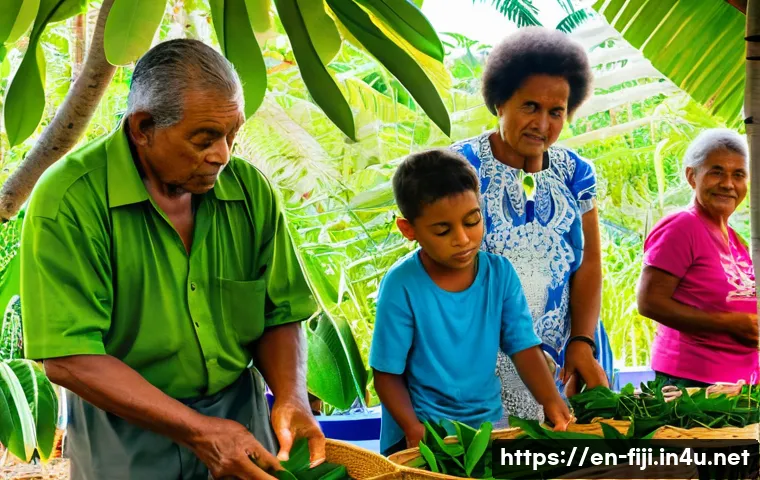
I found it heartwarming to see families teaching children how to identify and prepare plants, preserving knowledge in a way that feels natural and loving.
Natural Remedies for Common Conditions
Whether it’s a cold, skin irritation, or digestive upset, traditional remedies are often the first line of defense. The convenience and effectiveness of these treatments make them a trusted choice, especially when modern medicine isn’t readily available.
I remember a local friend explaining how a simple concoction of ginger and lemon helped soothe her child’s cough without the need for over-the-counter drugs.
The Role of Storytelling in Healing
Oral traditions play a vital role in transmitting healing knowledge, with stories often embedding practical advice within cultural narratives. These tales offer more than instruction—they teach values, respect for nature, and the importance of community.
Listening to these stories felt like stepping into a rich world where healing is as much about wisdom and connection as it is about medicine.
Comparing Healing Approaches: Traditional vs. Modern Medicine
Philosophical Differences
Traditional Fijian healing views health as an intricate balance involving body, mind, spirit, and environment, whereas modern medicine typically focuses on symptoms and biological causes.
This fundamental difference shapes the approach and expectations for treatment. From my experience, the traditional method feels more personalized and holistic, while modern medicine offers precision and technological advancements.
Effectiveness and Complementarity
While some might assume traditional remedies are less effective, many have stood the test of time through practical results. The challenge lies in understanding when to use each approach.
I’ve observed that combining both can yield the best outcomes—traditional methods provide foundational wellness and prevention, while modern medicine addresses acute or complex conditions.
Patient Experience and Trust
Trust is crucial in any healing system. I noticed that patients who feel culturally understood and spiritually supported often experience better satisfaction and recovery.
Traditional healers often spend more time with patients, building relationships that foster trust. This contrasts with the sometimes rushed nature of clinical visits, highlighting the importance of empathy and connection in healthcare.
Commonly Used Healing Plants and Their Benefits
| Plant Name | Traditional Use | Preparation Method | Health Benefits |
|---|---|---|---|
| Yaqona (Kava) | Calming, anxiety relief | Root ground into powder, mixed with water | Reduces stress, promotes relaxation |
| Vula Walu (Fever Plant) | Fever reduction, anti-inflammatory | Leaves boiled into tea | Reduces fever and inflammation |
| Ginger | Digestive aid, cold remedy | Root sliced and boiled as tea | Soothes stomach, relieves nausea |
| Nonu (Noni) | Pain relief, immune support | Fruit juice or leaf poultice | Reduces pain, boosts immunity |
| Olou (Frangipani) | Skin healing, wound care | Crushed leaves applied topically | Promotes skin regeneration, reduces infection |
글을 마치며
Fijian healing traditions offer a unique blend of nature, spirituality, and community that enriches the understanding of wellness. Experiencing these practices firsthand reveals how deeply interconnected health is with culture and environment. As modern life accelerates, preserving and adapting these valuable traditions is essential for holistic well-being. Embracing both ancient wisdom and contemporary methods opens new paths to healing that honor the whole person.
알아두면 쓸모 있는 정보
1. Many Fijian herbal remedies are prepared with respect to natural cycles, enhancing their effectiveness and spiritual significance.
2. Fijian massage integrates not only physical techniques but also spiritual rituals, creating a comprehensive healing experience.
3. Community involvement is vital in traditional healing, providing emotional support and ensuring knowledge is passed through generations.
4. Combining traditional and modern medicine can improve patient outcomes by addressing both physical symptoms and holistic balance.
5. Common healing plants like yaqona, nonu, and ginger offer accessible, natural solutions for everyday ailments.
중요 사항 정리
Fijian healing practices emphasize a holistic approach that includes the body, mind, and spirit, deeply rooted in cultural and spiritual traditions. These methods rely on natural remedies, skilled massage, and community rituals, fostering connection and balance. Despite challenges from modernization, ongoing efforts to integrate traditional knowledge with modern healthcare and raise awareness are key to preserving these valuable practices. For those interested in alternative healing, understanding and respecting these traditions offers meaningful insights and effective wellness strategies.
Frequently Asked Questions (FAQ) 📖
Q: What are the main components of traditional Fijian healing practices?
A: Traditional Fijian healing combines several key elements that work together to promote wellness. These include the use of herbal remedies sourced from the rich local flora, therapeutic massage techniques designed to ease physical tension, and spiritual rituals that seek to restore balance between the body, mind, and environment.
The holistic approach reflects a deep respect for nature and acknowledges that health is more than just the absence of illness—it’s about harmony within oneself and with the surrounding world.
Q: How do Fijian traditional healers diagnose and treat illnesses?
A: Fijian healers, often called “Bete” or traditional priests, rely on a mix of observation, ancestral knowledge, and spiritual insight to understand a person’s condition.
Diagnosis might involve examining physical symptoms, interpreting dreams, or performing rituals to identify spiritual imbalances. Treatment is personalized and can include herbal medicines, massage, and ceremonies intended to cleanse negative energies or honor ancestral spirits.
From my understanding, this process isn’t just about curing symptoms but about restoring overall balance, which is why many locals still trust these methods alongside modern healthcare.
Q: Are traditional Fijian healing methods still relevant and practiced today?
A: Absolutely. Despite the rise of modern medicine, many Fijians continue to embrace their traditional healing heritage. In rural areas especially, these practices remain integral to community health, partly because they’re accessible and culturally meaningful.
Even in urban settings, there’s a growing interest in holistic and natural healing worldwide, which has helped keep these traditions alive. From what I’ve seen, tourists and locals alike often seek out these healing experiences not just for health benefits but also to connect with Fiji’s rich cultural roots.